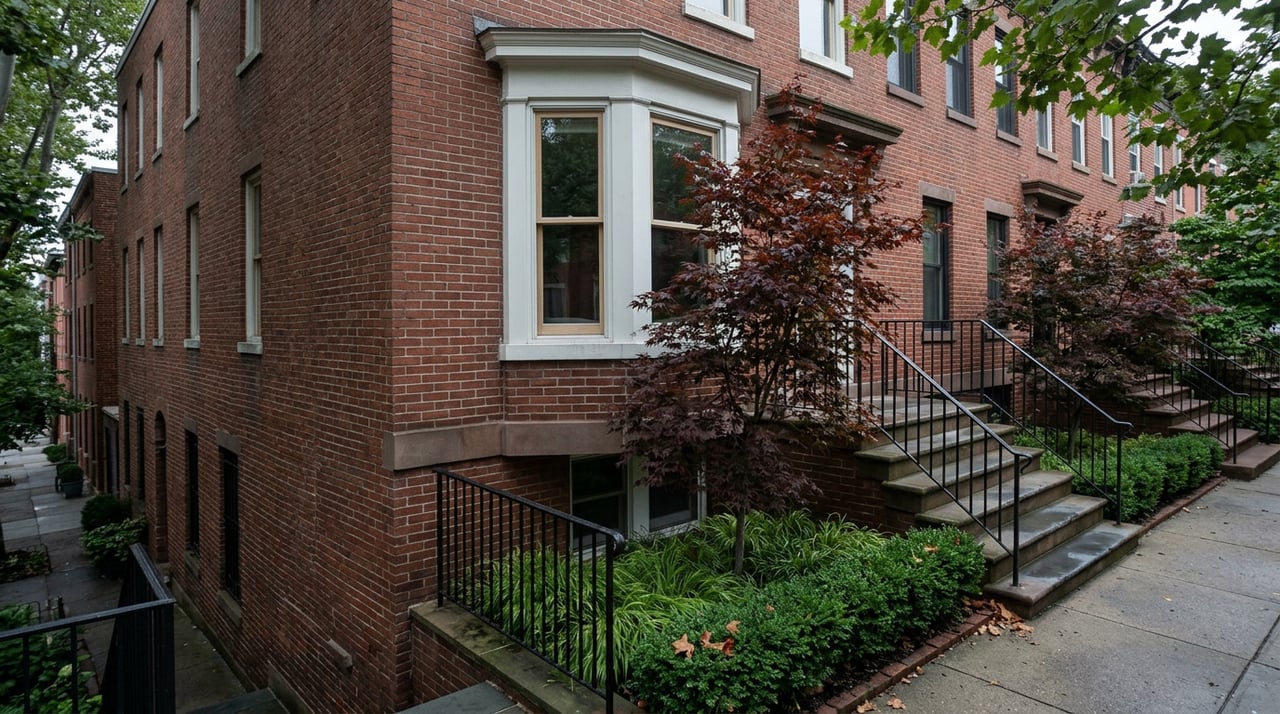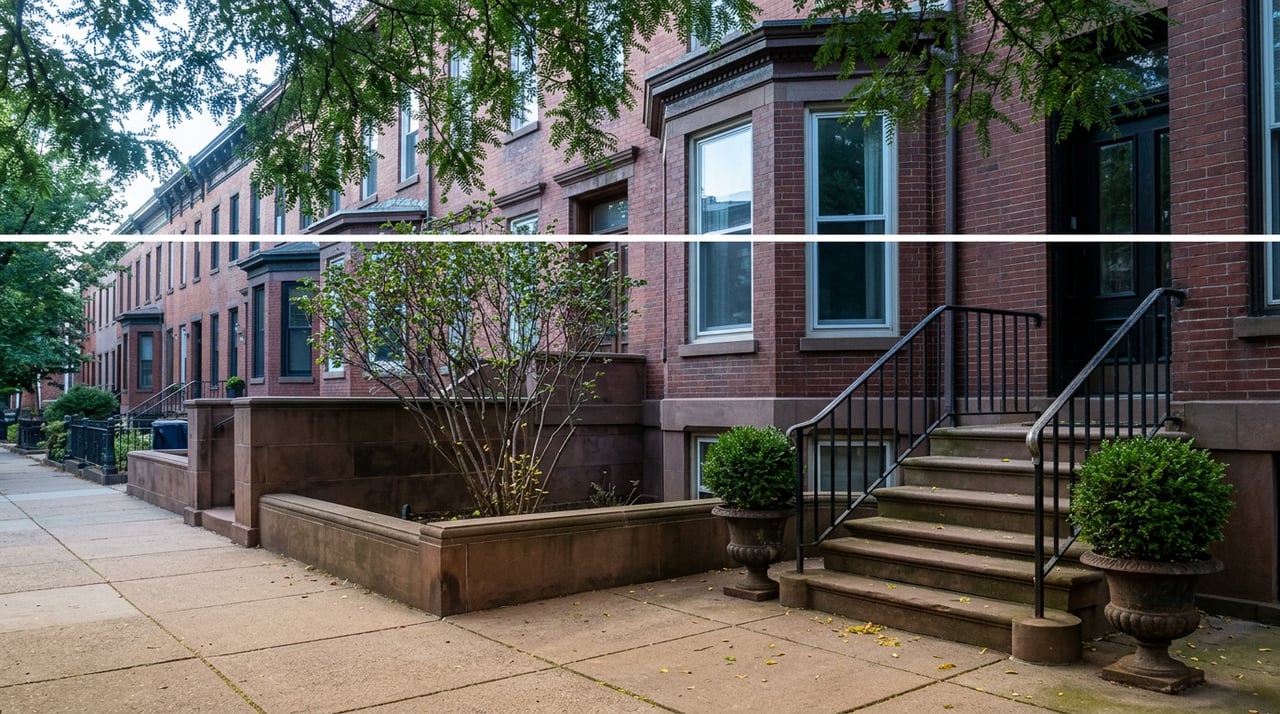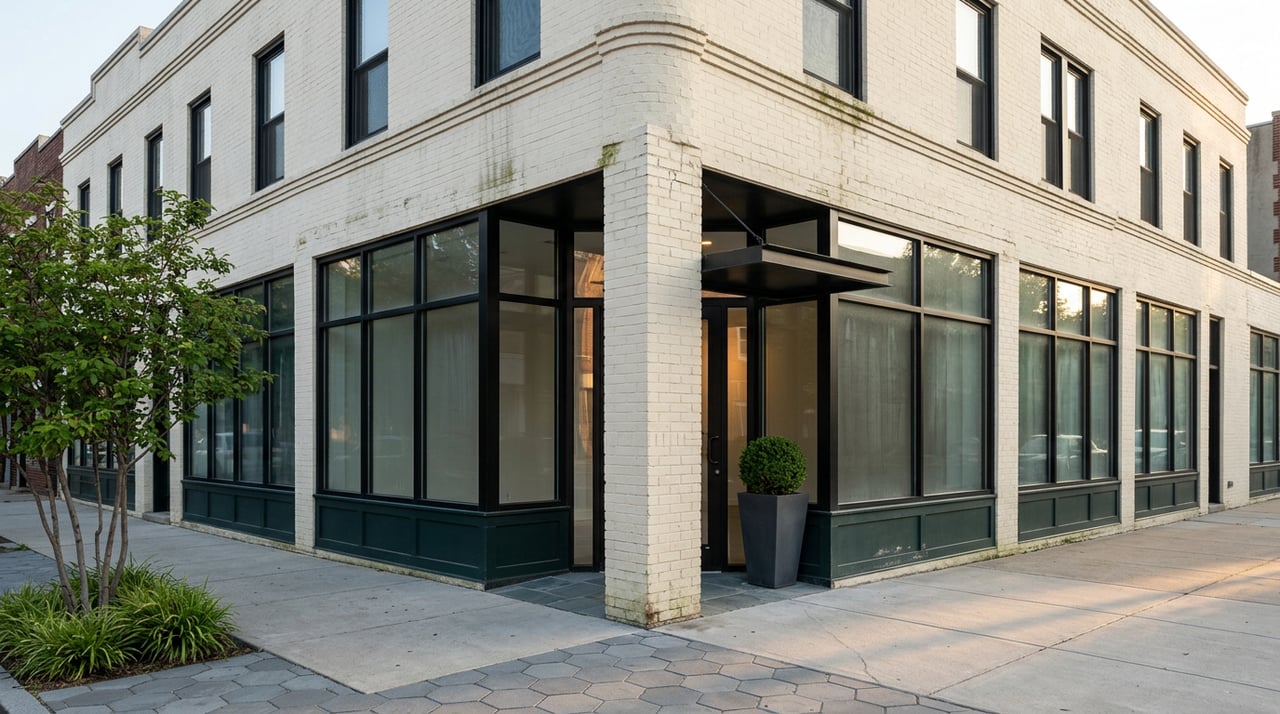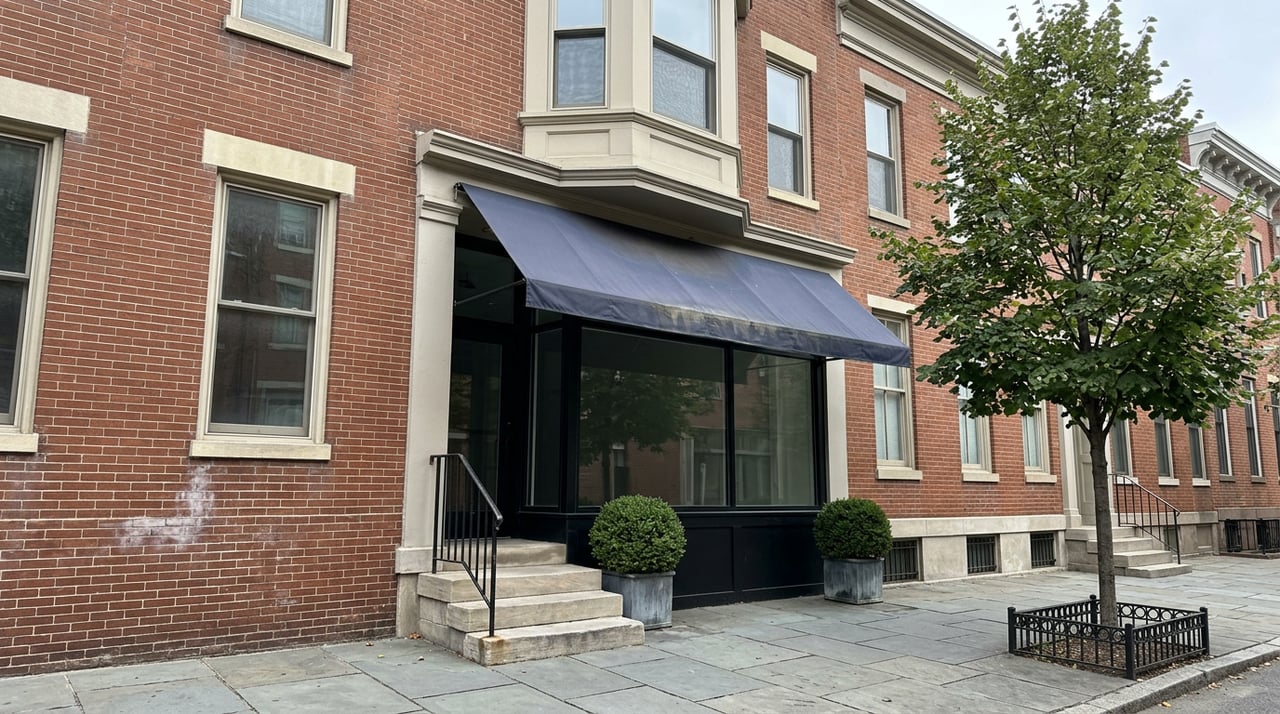
The banquette is still there. Walk into Confidant at 127 Atlantic Avenue on a Thursday night and you'll find the same bench seating that ran the length of Colonie's dining room for nearly fourteen years, salvaged when the farm-to-table restaurant closed its doors on November 30, 2025. Two doors down, at 129 Atlantic, the room that used to be Pips wine bar now smells like sourdough and sesame crust until two in the morning on weekends. Same block. Same brick. Completely different clock.
That's the part of this fall's story that's easy to miss if you're only counting new restaurants. Brooklyn Heights isn't just getting new places to eat. The hours those places keep are moving later, while the daytime errand grid on the residential side of the neighborhood is thinning out. If you use these streets before six in the evening, this fall looks quieter than it has in years. If you use them after nine, it looks louder than it's been in a long time. Both things are true, on the same three or four blocks, at the same time.
Same Block, Two Kitchens, One Late Discovery
Chefs Brendan Kelley and Daniel Grossman met in the kitchen at Roberta's back in 2017. Years later they landed the first full-service restaurant slot inside Industry City, a job significant enough that it took them two years to build out. Eight months after opening, they closed it and moved the whole operation, including pastry chef Mariah Neston, to the vacant Colonie space on Atlantic Avenue. Confidant opened there in February 2026, running Wednesday through Sunday from five to ten, with brunch listed as on the way since the day it opened.
What happened next is the more interesting part. The plan for the storefront next door, the old Pips space, was an all-day family cafe called Lou and Bev's. Then Kelley and Grossman noticed who was actually filling Confidant's dining room: a steady crowd that kept arriving well after 9 p.m., long past the hour most Brooklyn Heights restaurants start thinking about last call. That observed pattern, not a business plan drawn up in advance, is why the space became Frenzie instead: a walk-in-only pizza and natural wine bar that opened August 13 and stays open until 2 a.m. Thursday through Saturday, later than almost anything else on this stretch of Atlantic Avenue. The Brooklyn Eagle's reporting, via Hoodline, lays out that pivot in detail. The concept for a daytime, stroller-friendly cafe got shelved because the data on foot traffic said something else.
A few doors around the corner, at 107 Atlantic, Empanada City opened before Labor Day, filling a third storefront on the same short stretch. Three vacancies, one late-summer season, one ownership group behind two of the three.
What Actually Changed on the Clock
Set the old tenants and the new ones side by side and the hours tell a cleaner story than the menus do.
| Business | Status | Hours |
|---|---|---|
| Colonie | Closed Nov. 30, 2025 | Dinner service, farm-to-table |
| Pips | Closed same season | Wine bar, evening |
| Plymouth Cafe (Henry St.) | Closed June 15, 2026 | Daytime, sandwich counter |
| Confidant (127 Atlantic) | Open since Feb. 2026 | Wed-Sun, 5-10 p.m. |
| Frenzie (129 Atlantic) | Open since Aug. 13, 2026 | Daily from 4 p.m., closing midnight Sun-Wed, 2 a.m. Thu-Sat |
| Empanada City (107 Atlantic) | Opened before Labor Day 2026 | Counter service |
Everything that closed served a daytime or early-evening crowd. Everything that opened on that same block runs later, and Frenzie in particular is built to run later than anything it replaced. That's not an accident of what happened to be available. It's a direct response to when people actually showed up.
Henry Street Lost Its Morning Anchor
The other half of this story sits four blocks away and gets almost none of the attention the restaurant openings do. Plymouth Cafe, on the corner of Henry and Pineapple Streets, closed on June 15, 2026, after more than four decades in the neighborhood. It wasn't a destination restaurant. It was the kind of place that ends up wired into a lot of small daily routines: the stop before the 2/3 train at Clark Street, the answer when out-of-town parents wanted a bagel and didn't want to think about it.
That closure doesn't make citywide news, and it shouldn't. But it's the daytime counterpart to what's happening on Atlantic Avenue. The commercial spine along Atlantic is thickening in the hours after dinner, while one of the residential side's daytime anchors is gone with no announced replacement. A neighborhood can gain restaurant density and still lose the specific kind of errand-grid convenience that has nothing to do with going out.
Montague Street Is Making a Case for the Daytime
If Atlantic Avenue is where the neighborhood's evenings are getting louder, Montague Street is where its daytime hours are trying to hold their ground. Starting September 13 and running through October 25, Montague shuts to car traffic for seven straight Sundays, each one carrying its own program rather than a single repeated street fair. The Montague Street Business Improvement District, working with the Brooklyn Heights Association and the city's Department of Transportation, has built a genuinely varied lineup:
- A pickleball tournament on the closed street
- A pet blessing outside St. Ann & the Holy Trinity Church
- A tag sale limited to Brooklyn Heights residents who apply in advance
- A season-opening celebration on September 13 that organizers are calling "Brooklyn's Biggest Back to School Party"
Every one of these runs from 10 a.m. to 7 p.m., which is worth noticing against the Atlantic Avenue timeline above. Montague's programming is deliberately claiming the exact daytime window that's thinning out on the residential side of the neighborhood. Whether that's a coordinated response to what's happening on Atlantic or simply the BID doing what it does every fall, the effect is the same: for seven Sundays, the neighborhood has a reason to be outside and social before dinner, on a street that isn't the one getting all the restaurant attention.
The Park Still Has Two Big Nights Left
Down at Pier 6, a decommissioned FDNY fireboat has spent the summer running as a seasonal floating bar, serving jerk chicken sandwiches and salt cod hush puppies with a Caribbean-leaning menu. It's the kind of addition that shows up in a lot of phone photos, and it closes when October does, not on a soft deadline but a hard one.
Brooklyn Bridge Park's broader free programming follows the same seasonal shape. The Harvest Festival on October 17 is the last big scheduled night before the park's public calendar goes dark until next May. Between now and then, the neighborhood is running through what amounts to a six-week compression of an entire fall's worth of activity: the last of Montague's car-free Sundays, the last weeks of the fireboat bar, and the last of the restaurant turnover on Atlantic before those storefronts, now filled, stop generating fresh news.
What Doesn't Move on This Clock
Not everything on this stretch of Brooklyn is operating on a six-week fuse. Near the corner of Montague and Court Street, construction began this summer on One Montague Place, a planned 50-story tower at the border of Brooklyn Heights and Downtown Brooklyn. At a projected 672 feet, the building is slated to include 46 condominiums, 90 rental units, and roughly 40,000 square feet of retail. Sales aren't expected to launch until 2027, with completion projected for 2029. Whatever else has changed by the time Montague closes to cars again next fall, that project will still be under scaffolding.
It's a useful contrast to everything else in this piece. The restaurant turnover, the car-free Sundays, the floating bar: all of it moves fast, all of it resolves within a season. The next big structural change to this corner of the neighborhood is measured in years, not weeks, which is its own kind of information if you're trying to understand what's temporary here and what isn't.
The Short Version
Brooklyn Heights isn't simply busier this fall. It's busier at different hours than it used to be, on different streets, for reasons that trace back to specific decisions: two chefs who read their own foot traffic and scrapped a family-cafe concept for a late-night one, a forty-year sandwich counter that didn't get a second act, and a business district that scheduled seven Sundays of daytime programming as if it knew the evening crowd was heading elsewhere. None of that shows up if you only skim a list of what opened and what closed. It shows up when you look at when.
If you've lived here long enough to have noticed your own routine shifting this year, whether that's a new late dinner spot replacing an old coffee stop or a Sunday walk that now has to route around Montague, you already know the neighborhood better than any roundup can tell you. If you're ever curious how these kinds of block-level shifts tend to show up in what a home on these streets is actually worth, the Raquel Lomonico Team has been watching Brooklyn Heights closely and is always glad to talk through it.