If you want a Brooklyn neighborhood that feels scenic, historic, and genuinely residential, Brooklyn Heights often rises to the top of the list. You may be drawn in by the Promenade views, but daily life here is shaped just as much by quiet rowhouse streets, compact errands, and a preserved streetscape that feels distinct from nearby areas. This guide will help you understand what living in Brooklyn Heights actually looks like, from the waterfront edge to the village-like interior blocks. Let’s dive in.
What Makes Brooklyn Heights Distinct
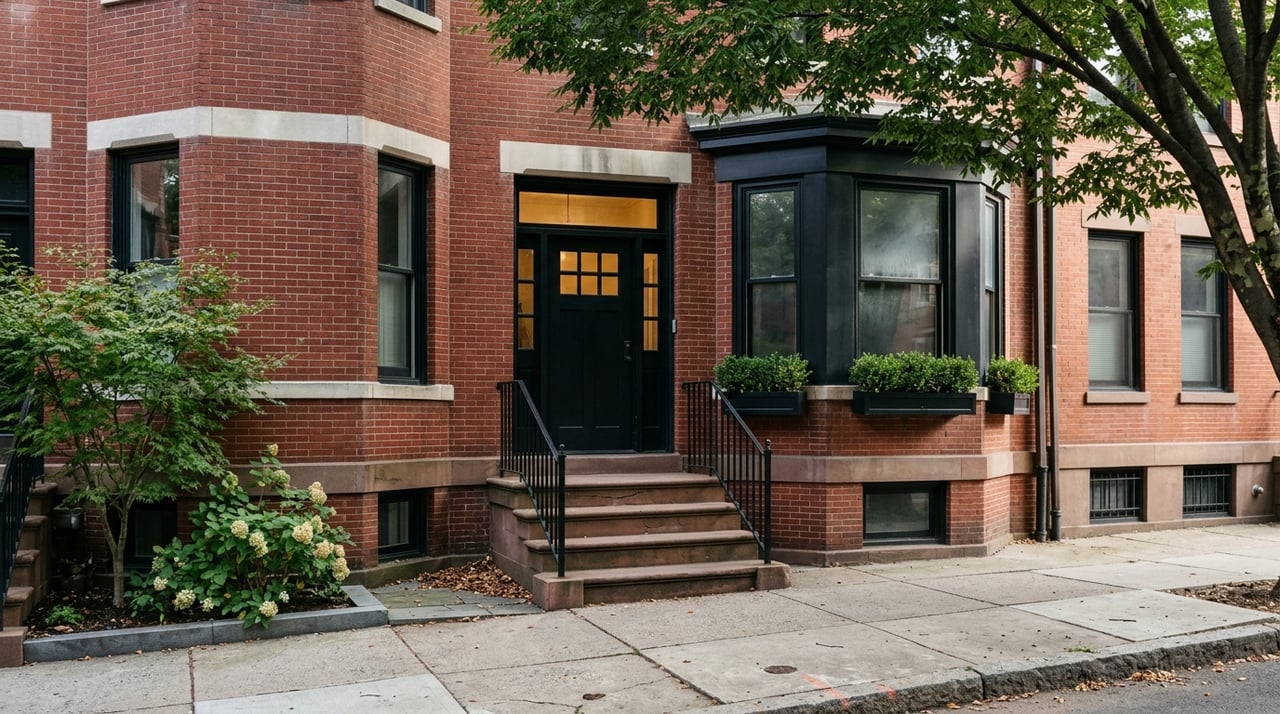
Brooklyn Heights stands out for its unusual mix of waterfront access and historic residential character. The neighborhood is defined by low-rise brick and brownstone row houses, tree-lined streets, stone sidewalks, and a compact main shopping street on Montague Street.
It is also one of New York City’s most historically preserved neighborhoods. Brooklyn Heights became the city’s first Historic District in 1965, and that designation still shapes how the neighborhood looks and evolves today.
The area is generally described as stretching between Old Fulton Street and Atlantic Avenue, and between Cadman Plaza and Court Street to the Promenade and East River. Within that footprint, you get a neighborhood that feels connected to the city but visually and physically calmer than many nearby districts.
Life Near the Promenade
The Promenade is the defining outdoor feature of Brooklyn Heights. It creates a dramatic waterfront edge with harbor views and gives the neighborhood an immediate sense of openness that is rare in New York City.
For many residents, this is where the day starts or ends. A quick walk, a pause at sunset, or simply having easy access to open sky and water views becomes part of the rhythm of living here.
The Promenade also connects visually and spatially to Brooklyn Bridge Park below. That relationship gives Brooklyn Heights a layered outdoor experience, with elevated views above and active waterfront recreation below.
Brooklyn Bridge Park Adds Everyday Outdoor Space
Brooklyn Bridge Park is an 85-acre waterfront park with riverfront promenades, gardens, lawns, playgrounds, and a designated bike path. It is free, open daily from 6 a.m. to 1 a.m., and accessible by subway, bus, ferry, biking, and walking.
That matters if you are thinking beyond the postcard view. Living in Brooklyn Heights means outdoor time can be built into everyday routines, whether you want a walk along the water, open lawn space, or easy access to the park’s paths and public areas.
Village Streets and Historic Blocks
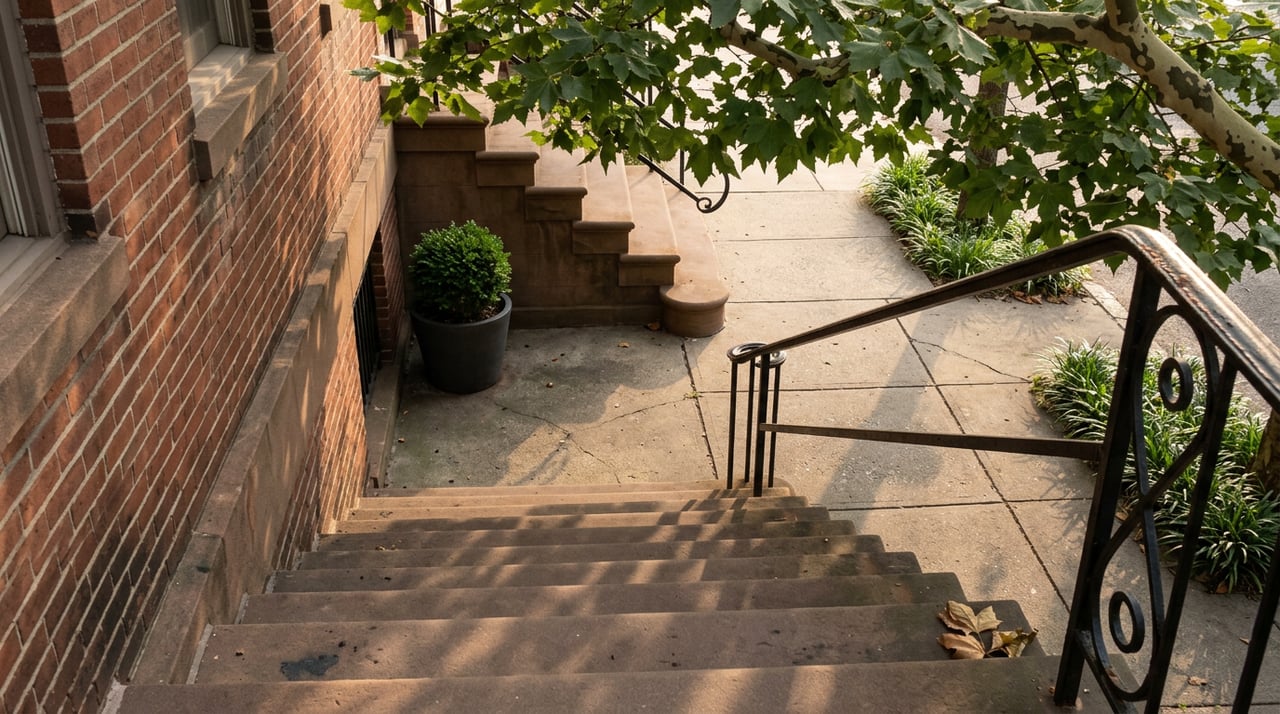
Step away from the waterfront, and the neighborhood shifts into a quieter residential pattern. The interior blocks are known for their unified 19th-century character, with rows of older homes that create a strong sense of visual continuity.
The historic district includes well-known residential streets such as Pierrepont, Remsen, Columbia Heights, Willow, Hicks, Joralemon, Orange, Pineapple, and Clark Streets. Some blocks are lined with larger residences, while others feature smaller houses and former mews that once served as stables.
This is a big part of the neighborhood’s appeal. Instead of feeling dominated by towers or wide commercial corridors, Brooklyn Heights reads as a preserved low-rise neighborhood with a clear residential identity.
Landmark Status Shapes the Streetscape
Because much of Brooklyn Heights is landmarked, many exterior changes and new construction affecting designated structures require approval from the Landmarks Preservation Commission. In practical terms, that helps explain why the neighborhood has retained such a consistent look over time.
For buyers, that preservation can be part of the draw. You are not just choosing an apartment or townhouse location. You are buying into a neighborhood where the historic streetscape is a central part of the experience.
Montague Street and Daily Convenience
Montague Street is the neighborhood’s retail anchor and main shopping street. It is where much of the area’s shopping, dining, and everyday services are concentrated, with additional businesses and restaurants along Henry Street and nearby side streets.
The feel is compact rather than sprawling. Errands, coffee, dinner, and neighborhood services tend to be close at hand, which supports the walkable, local rhythm that many buyers want.
Montague Street also hosts a seasonal Open Streets program on the block between Clinton and Hicks. When that stretch closes to car traffic, it adds to the pedestrian-friendly feel around the commercial core.
Housing in Brooklyn Heights
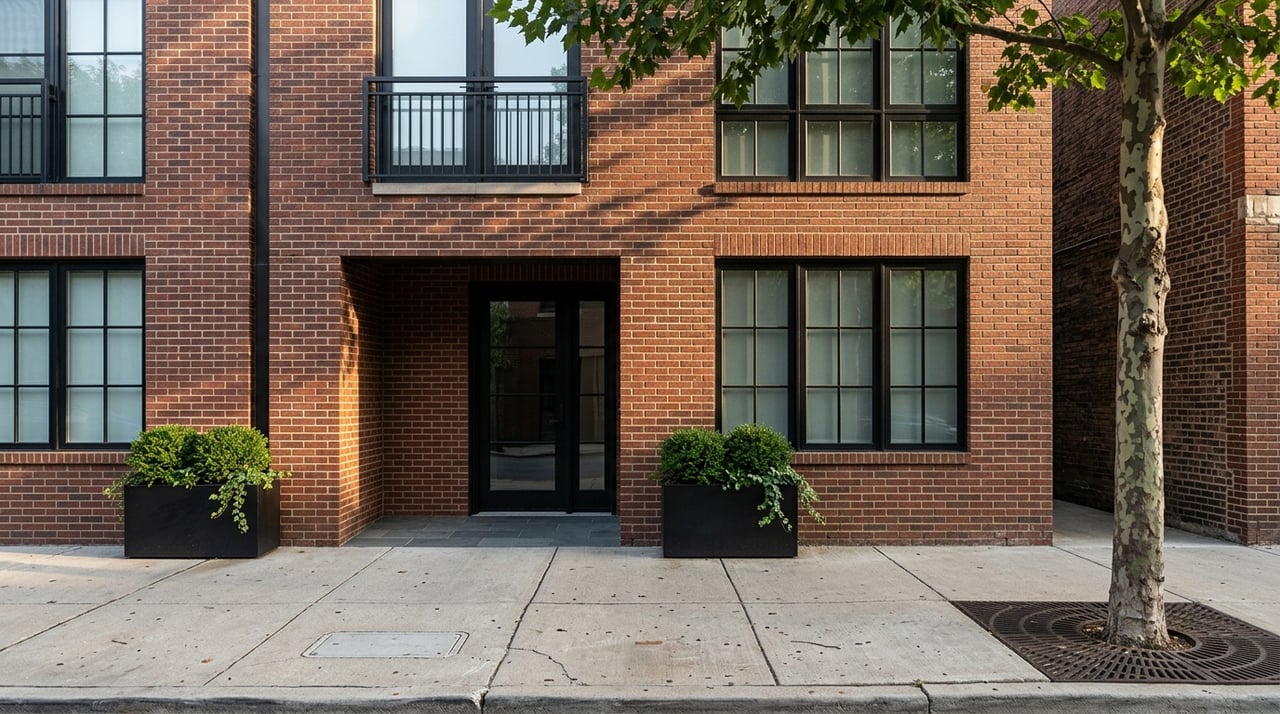
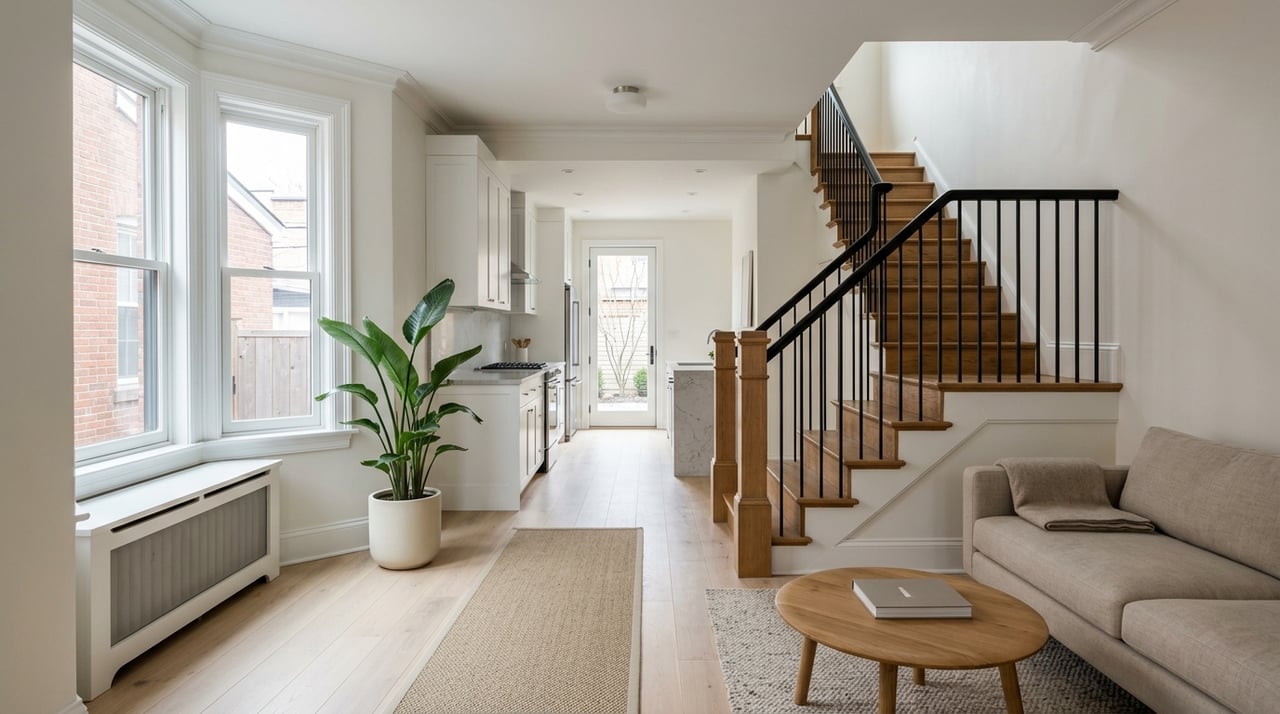
The housing stock in Brooklyn Heights is still dominated by older rowhouse fabric. The neighborhood remains overwhelmingly low-rise, with brick and brownstone row houses making up much of its visual identity, along with a smaller mix of apartment buildings.
If you are exploring the area as a buyer, that usually means the housing conversation starts with character, scale, and block-by-block differences. Some homes are in grander historic settings, while others sit on quieter residential streets with a more tucked-away feel.
For buyers who value architecture and a classic Brooklyn streetscape, that consistency can be a major advantage. The built environment is one of the clearest reasons Brooklyn Heights continues to feel so different from many surrounding neighborhoods.
Where Newer Condo Options Tend to Be
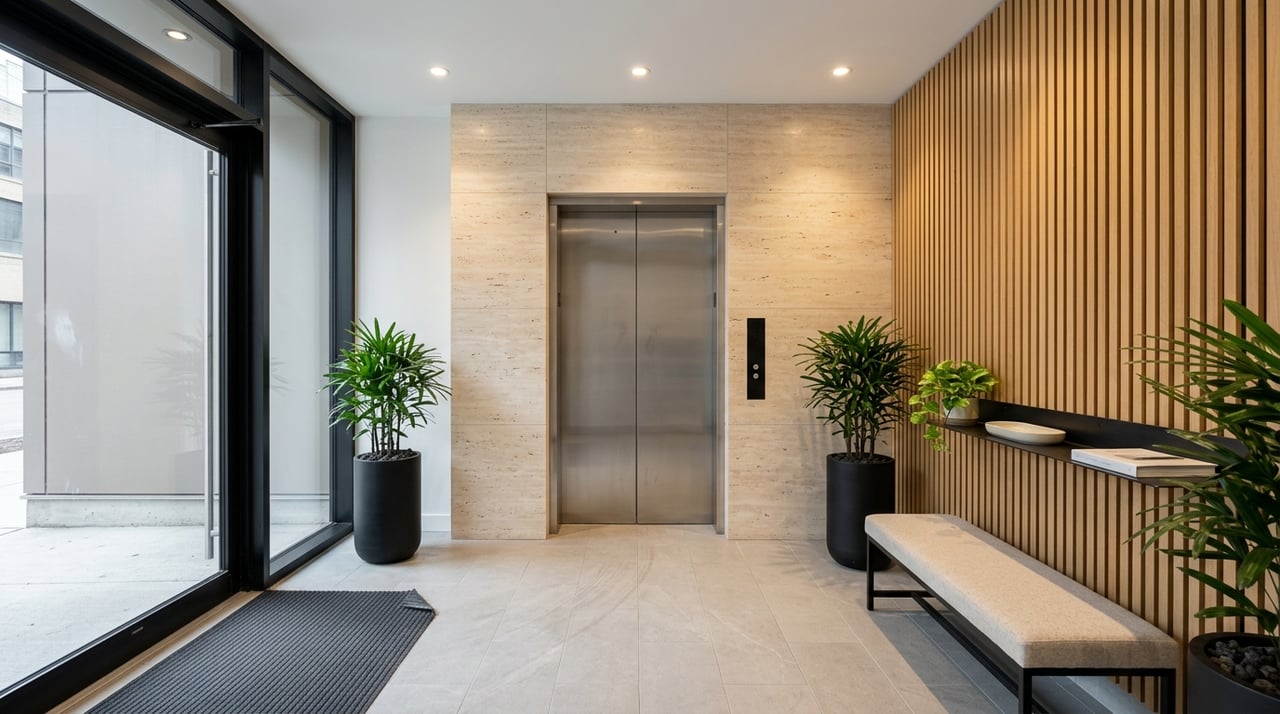
While the historic interior remains largely defined by older housing stock, newer condo inventory is more visible closer to the waterfront edge and in development sites associated with Brooklyn Bridge Park. Residential development identified in that broader waterfront area includes One Brooklyn Bridge Park, a Pier 1 residential development of roughly 100 units, residential buildings at Pier 6, and development at John Street.
That pattern is important if your search is focused on newer product. In Brooklyn Heights and along its edge, modern condo options tend to cluster closer to the park and waterfront rather than replacing the historic low-rise core.
For buyers deciding between charm and newer amenities, this creates a useful split. The interior blocks often offer a more traditional neighborhood fabric, while the waterfront edge can present more contemporary residential options.
Brooklyn Heights Compared With Nearby Areas
Brooklyn Heights is often considered alongside DUMBO and Downtown Brooklyn. While these areas are close together, they offer very different living experiences.
At a high level, Brooklyn Heights is the most residential and preservation-oriented of the three. DUMBO has a stronger adaptive-reuse and mixed-use identity, while Downtown Brooklyn reads as the densest and most commercial of the group.
Brooklyn Heights vs. DUMBO
DUMBO has roots in manufacturing and shipping and has evolved into a mixed-use neighborhood with office space, artist spaces, retail, and residences. Its public spaces include the Dumbo Archway, car-free Washington Street, and Old Fulton Plaza.
If Brooklyn Heights feels quieter and more traditionally residential, DUMBO tends to feel more converted-warehouse, public-space-driven, and mixed in use. That difference can matter a lot depending on whether you want a classic rowhouse setting or a more industrial, adaptive-reuse environment.
Brooklyn Heights vs. Downtown Brooklyn
Downtown Brooklyn functions as a major business, cultural, educational, residential, and retail destination. It is also recognized as New York City’s third-largest business district and has seen major growth in housing, jobs, and public space since the 2004 rezoning.
Compared with that scale, Brooklyn Heights feels much more intimate. If Downtown Brooklyn is the denser, transit-intensive urban core, Brooklyn Heights is the neighborhood where the pace often feels more residential and visually cohesive.
Who Brooklyn Heights May Appeal To
Brooklyn Heights can be a strong fit if you want a neighborhood where architecture, walkability, and outdoor access all play a visible role in daily life. The combination of the Promenade, Brooklyn Bridge Park, and preserved residential streets gives the area a very specific identity.
It may especially appeal to buyers who want a low-rise setting, value historic character, and like having a compact commercial corridor instead of a large retail district. It can also work well for buyers comparing classic brownstone blocks with select newer condo options near the waterfront.
If your search is about balancing scenery, neighborhood texture, and convenience, Brooklyn Heights offers a compelling mix. The key is understanding which part of the neighborhood best matches your lifestyle and housing priorities.
If you are exploring Brooklyn neighborhoods and want clear, strategic guidance on where Brooklyn Heights fits into your search, Raquel Lomonico can help you evaluate the housing options, block-by-block feel, and condo opportunities that align with your goals.
FAQs
What is Brooklyn Heights known for as a place to live?
- Brooklyn Heights is known for the Promenade, preserved brownstone and brick rowhouse streets, and its status as New York City’s first Historic District.
Where do residents spend time outdoors in Brooklyn Heights?
- Residents often spend time on the Promenade, in Brooklyn Bridge Park, and around Montague Street during the seasonal Open Streets program.
What is the main shopping area in Brooklyn Heights?
- Montague Street is the neighborhood’s main shopping street, with additional stores and restaurants on Henry Street and nearby side streets.
What kind of housing is most common in Brooklyn Heights?
- The neighborhood is dominated by low-rise brick and brownstone row houses, along with a smaller number of apartment buildings.
Where are newer condos in and around Brooklyn Heights?
- Newer condo options are more commonly found closer to the waterfront edge and in residential developments associated with Brooklyn Bridge Park rather than on the historic interior blocks.
How is Brooklyn Heights different from DUMBO and Downtown Brooklyn?
- Brooklyn Heights is generally the most residential and preservation-oriented, while DUMBO has a more mixed-use adaptive-reuse feel and Downtown Brooklyn is denser and more commercial.