If you love the look of soaring ceilings, oversized windows, and open living space, Bushwick lofts can be hard to ignore. But loft-style living here is not always as simple as buying a standard condo with an industrial vibe. If you are comparing options in Bushwick, it helps to understand where these homes came from, what makes them different, and what questions to ask before you make an offer. Let’s dive in.
Why Bushwick Has Loft-Style Homes
Bushwick’s loft inventory is closely tied to the neighborhood’s industrial history. According to the Bushwick Neighborhood Plan Update from NYC Planning, the area was shaped by breweries, garment factories, and other industrial uses, especially along Flushing Avenue and the neighborhood’s eastern edges.
That history matters because many loft-style homes are located in former industrial or mixed-use buildings that were later adapted. The same planning document notes that western Bushwick includes active commercial corridors and a large multifamily housing stock, while eastern Bushwick is more residential with many two- and three-family rowhouses. In other words, loft-style housing is part of Bushwick’s mix, but it does not define every block.
NYC Planning also points to Bushwick’s strong transit access, with the J, M, Z, and L subway lines plus more than nine bus routes. That helps explain why loft-style buildings often cluster near larger corridors and transit nodes instead of appearing evenly throughout the neighborhood.
What Bushwick Lofts Usually Offer
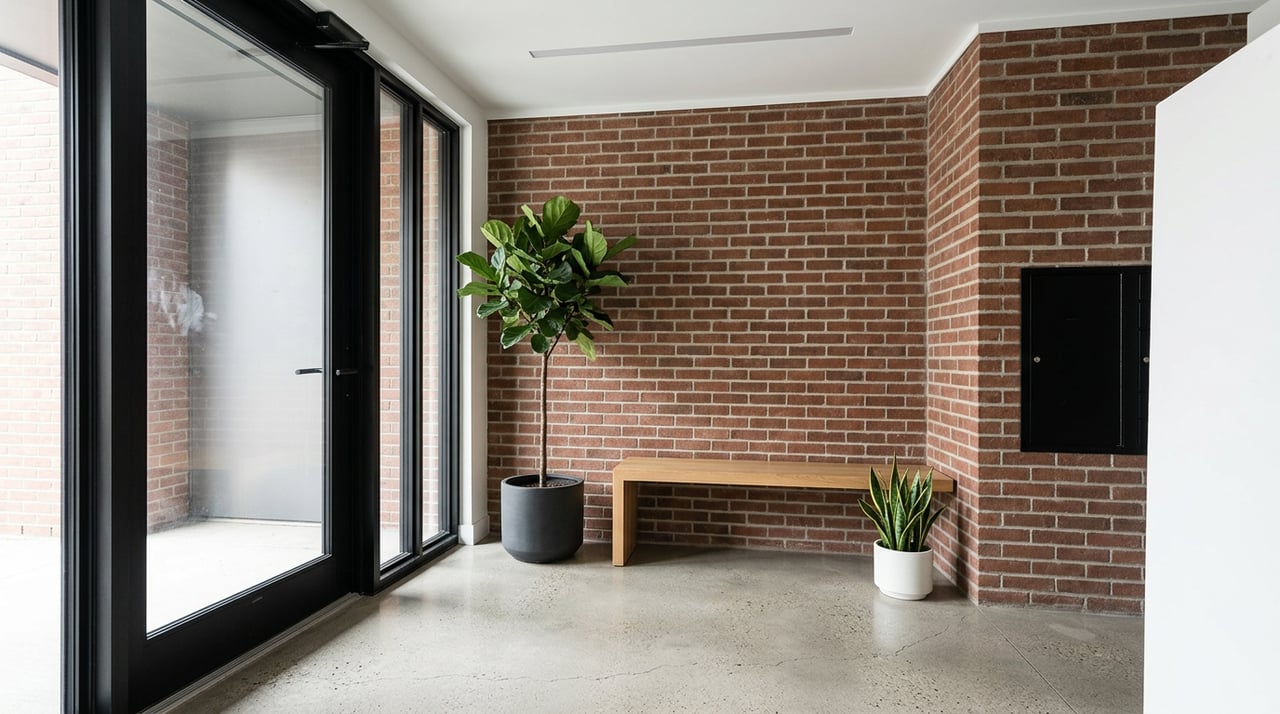
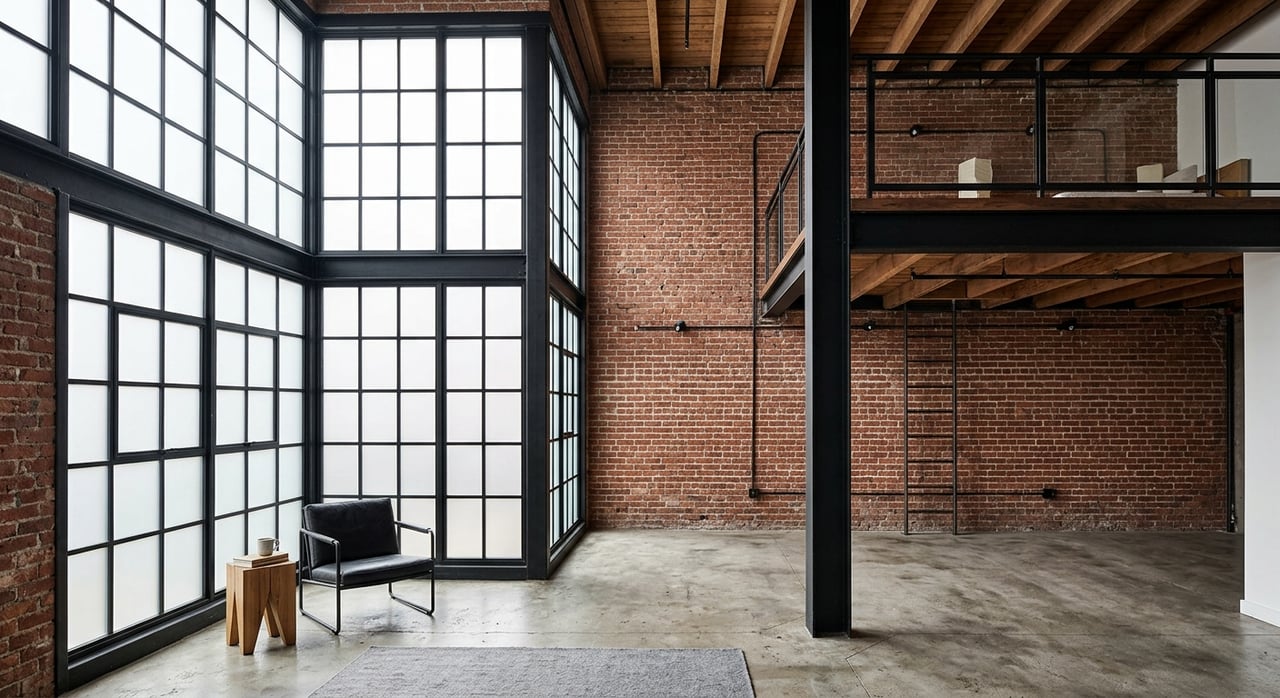
When buyers picture a Bushwick loft, they are usually thinking of a few standout features. Public listings commonly highlight high ceilings, large factory-style windows, exposed brick, polished concrete, and open layouts. These details create the visual character many buyers want, but the actual product can vary a lot from building to building.
That is one of the most important things to know up front. In Bushwick, “loft-style” does not always mean the same floor plan, legal setup, or amenity package. Some buildings are former factories or warehouses with true industrial bones, while others simply borrow loft-inspired design elements.
You may also see big differences in what comes with the building. Depending on the property, amenities might include a roof deck, elevator, laundry, or storage, but not every loft building offers the same level of convenience. If you are deciding between a conversion loft and a newer condo, that side-by-side comparison matters.
The Biggest Buyer Question: Is It Legal Residential Space?
This is the issue you should take most seriously. Some Bushwick lofts are legal residential homes, while others may be commercial or manufacturing spaces with residential-style features. Those are not the same thing, and the difference can affect financing, renovation plans, and day-to-day use.
Under the NYC Zoning Resolution, conversion of non-residential floor area to residences is allowed only in districts where residential use is permitted or through specific authorization. Certain converted buildings may also fall under Loft Board oversight. The NYC Loft Board’s framework exists to regulate these conversions and bring qualifying properties into code compliance.
The practical takeaway is simple: do not assume a loft is standard residential property just because it looks like one. Before you move forward, confirm exactly how the space is classified and what that means for occupancy and use.
Check the Certificate of Occupancy First
One of the first documents to review is the Certificate of Occupancy, often called the CO. The NYC Department of Buildings warns that using a manufacturing or industrial building for residential occupancy without proper approval is an illegal conversion and can be unsafe.
For you as a buyer, that means the CO is not just paperwork. It helps confirm whether the property is approved for residential use, whether it has commercial restrictions, and whether the building’s current use matches what is being marketed. If there is any mismatch, that deserves close attention before you commit.
This step is especially important in a neighborhood where former industrial spaces are part of the housing mix. A beautiful interior does not replace proper approvals.
Financing Can Be Different
Bushwick lofts do not always fit the same financing path as a typical condo or co-op. Some public listings have noted artist-studio or commercial-use certificates of occupancy, and in those cases sellers may prefer cash or commercial financing instead of conventional residential lending.
That can change your budget, down payment expectations, and lender options. It may also affect what improvements are allowed inside the unit, including features that many buyers take for granted in standard residential housing.
If you need financing, ask early whether the property is likely to qualify for traditional residential lending. It is better to know that before you spend time and money on inspections, legal review, and an offer strategy.
Open Layouts May Come With Limits
Many buyers are drawn to lofts because they feel expansive and flexible. But open space does not always mean you can build whatever layout you want.
Some Bushwick loft listings indicate that adding walls or dividing rooms may require approval. In one example from a Bushwick loft building, wall installation was allowed only with landlord approval. If you need multiple private bedrooms, a dedicated office, or a more traditional separation of space, make sure you verify what can legally and practically be done.
This is where buyers can get tripped up. A loft may photograph like a blank canvas, but building rules, approvals, and legal use limitations can narrow your options.
Expect a More Mixed-Use Setting
Loft-style living in Bushwick often comes with a more urban, mixed-use environment than you would find in a standard residential condo building. The zoning code requires notice to prospective residential occupants when a converted building also contains commercial or manufacturing uses above the first story.
That does not automatically make a property a bad fit. It just means your building experience may feel different from a purely residential setting. Depending on the property, that could shape noise expectations, building traffic, or the overall feel of common areas.
If you love character and do not mind a less conventional setup, that tradeoff may be worth it. If you want a more typical residential experience, you may prefer newer condo inventory nearby.
Bushwick Loft Living Is a Tradeoff
For many buyers, Bushwick lofts are appealing because they offer volume, texture, and architectural character that newer homes often do not. High ceilings and oversized windows can make even a modest footprint feel dramatic. For buyers who value design, that can be a major advantage.
At the same time, you are often trading some conventional functionality for that character. You may get less room separation, fewer amenities, or a building that feels more mixed-use than residential. The right choice depends on how you actually live day to day.
That is why Bushwick loft shopping works best when you are clear about your priorities. If you want industrial character and open space, a loft may be exactly right. If you need straightforward financing, highly defined rooms, and a more standardized building setup, a newer condo may be easier.
Bushwick Market Context Matters Too
Bushwick is not only a loft market. According to the Furman Center neighborhood profile, the neighborhood added 6,571 housing units from 2010 to 2024, with most of that production classified as market-rate. That means legacy lofts now sit alongside a broader range of new housing options.
The same Furman data shows a 2024 median condominium sales price per unit of $725,000. For renters and buyers thinking about the jump into ownership, Bushwick remains a competitive, renter-heavy market, with a 3.2% rental vacancy rate in 2023 and median gross rent of $2,110.
This broader context matters because your alternatives are real. You are not just deciding whether you like lofts. You are comparing loft-style homes against newer apartments, standard condos, and other ownership options in the same neighborhood.
Transit Is Part of the Lifestyle
Bushwick works especially well for buyers who live transit-first. The Furman Center reports that 80.8% of commuters in Bushwick used car-free modes in 2023, with a mean travel time to work of 39.8 minutes. NYC Planning also notes the neighborhood’s strong subway and bus access.
That helps explain why many loft-style buildings are concentrated near commercial corridors and transit connections. If you want a home with distinctive architecture and easy access to trains and buses, Bushwick can offer that combination.
For many buyers, this becomes part of the overall value equation. You may accept a more unconventional layout because you gain location, transit access, and design character in return.
How to Shop Bushwick Lofts Smarter
If you are serious about buying a loft-style home in Bushwick, keep your search focused on both aesthetics and due diligence. The best approach is to separate what looks appealing from what actually works for your financing, layout needs, and long-term plans.
Here are a few smart questions to ask as you tour and compare properties:
- Is the unit legally approved for residential use?
- What does the Certificate of Occupancy allow?
- Will the property qualify for conventional residential financing?
- Can you add walls or reconfigure the layout if needed?
- What amenities does the building actually offer?
- Is the building purely residential, or does it include commercial or manufacturing uses?
- How does this loft compare with newer condo options at a similar price point?
The more clearly you answer those questions, the easier it becomes to decide whether a Bushwick loft is a great fit or just a great photo.
If you are weighing loft-style living against other condo options in Bushwick, local context makes a real difference. The team at Raquel Lomonico helps buyers evaluate layout, product type, and market positioning so you can move forward with clarity and confidence.
FAQs
What makes Bushwick loft-style homes different from standard condos?
- Bushwick loft-style homes often feature high ceilings, oversized windows, industrial materials, and open layouts, but they can vary widely in legal use, layout flexibility, and amenities compared with standard condos.
Why do buyers need to check legal use for Bushwick lofts?
- Buyers should confirm legal use because some loft-style spaces may be commercial or manufacturing properties with residential-style features rather than fully approved residential homes.
What should buyers review before purchasing a Bushwick loft?
- Buyers should review the Certificate of Occupancy, financing requirements, layout restrictions, and whether the building includes commercial or manufacturing uses in addition to residential occupancy.
Can you add walls or create more bedrooms in a Bushwick loft?
- Sometimes, but not always, because some loft buildings require approval for wall installation or have legal and practical limitations on how the space can be divided.
Are Bushwick lofts usually located near transit?
- Many are, because Bushwick is well served by the J, M, Z, and L subway lines plus multiple bus routes, and loft-style buildings often cluster near major corridors and transit nodes.
Is Bushwick only a loft market for buyers?
- No, Bushwick includes loft conversions alongside newer rental and condo inventory, so buyers can compare loft-style homes with more conventional housing options in the neighborhood.