Buying a condo in Williamsburg can feel exciting and overwhelming at the same time. You are not just choosing a home. You are also sorting through submarkets, building types, transit options, and New York closing costs that can change your budget in a big way. This guide walks you through the process step by step, so you can move forward with more clarity and confidence. Let’s dive in.
Understand the Williamsburg condo market
Williamsburg is not one single condo market. It is better understood as a group of related submarkets with different building styles, transit access, and price points.
According to the Furman Center neighborhood profile, Greenpoint and Williamsburg had 191,029 residents in 2023, a 16.1% homeownership rate, and a median condominium sales price per unit of $1.25 million in 2024. The same report notes major housing growth from 2010 to 2024, especially in larger buildings, which helps explain why buyers often compare brand-new condos with loft conversions and older resale inventory.
A practical way to search is to break Williamsburg into smaller zones. Official city and planning materials show that buyers may be weighing waterfront buildings, North Williamsburg near McCarren Park, South Williamsburg closer to the river and bridge approaches, and inland areas toward East Williamsburg, each with different tradeoffs in stock and transit access. That local variation matters when you set priorities.
Compare submarkets before you tour
If you start your search too broadly, listings can blur together fast. A waterfront condo and an inland resale may both be labeled Williamsburg, but they can offer very different layouts, finishes, carrying costs, and daily routines.
Williamsburg is served by the G, L, and J/M/Z subway lines and NYC Ferry’s East River route. At the same time, Brooklyn Community Board 1 notes pressure on housing, parks, and transportation infrastructure, including crowding on the L and G lines, in its current district needs statement. For you, that means location is not only about style or views. It is also about how you want to move through the neighborhood every day.
Set your full budget early
In Williamsburg, your real budget is bigger than the purchase price. Before you make an offer, you need a realistic picture of your down payment, loan costs if you are financing, and closing taxes.
New York State says the real estate transfer tax rules include a 1% mansion tax on residential purchases at $1 million or more. New York City also applies its own Real Property Transfer Tax, and if you are getting a mortgage, New York State says mortgage recording tax is due when the mortgage is recorded. Since the median condo price in the area is already $1.25 million, these items can materially affect your cash to close.
Build a buyer budget checklist
Before you start touring seriously, make sure you have line items for:
- Target purchase price
- Down payment
- Estimated lender costs
- Mansion tax if your purchase is $1 million or more
- NYC and state transfer-related costs that may apply at closing
- Mortgage recording tax if you are financing
- Attorney and related closing expenses
- Post-closing cash reserves
Your lender and attorney should confirm the final numbers early, especially if you are near a price threshold where taxes change.
Choose the right condo type
Williamsburg gives you several condo paths, and each one comes with a different due diligence process. In simple terms, you may be deciding among new development, a recent conversion, or a standard resale from an individual owner.
That difference matters because the New York State Attorney General explains that condo and co-op sales tied to a sponsor are made under an offering plan. If you are buying from an individual owner instead, the sale is not regulated the same way, and an offering plan may not exist.
What new development can offer
New development often appeals to buyers who want modern finishes, amenity packages, and fewer near-term renovation concerns. A current local example is One Williamsburg Wharf, a waterfront condo where closings have commenced.
Another example is 28 Herbert, a boutique project that presents itself as Williamsburg’s first carbon-neutral, Passive House-certified residence. It is a useful reminder that impressive marketing language should still be checked against filed documents and building disclosures.
What conversions and resales can offer
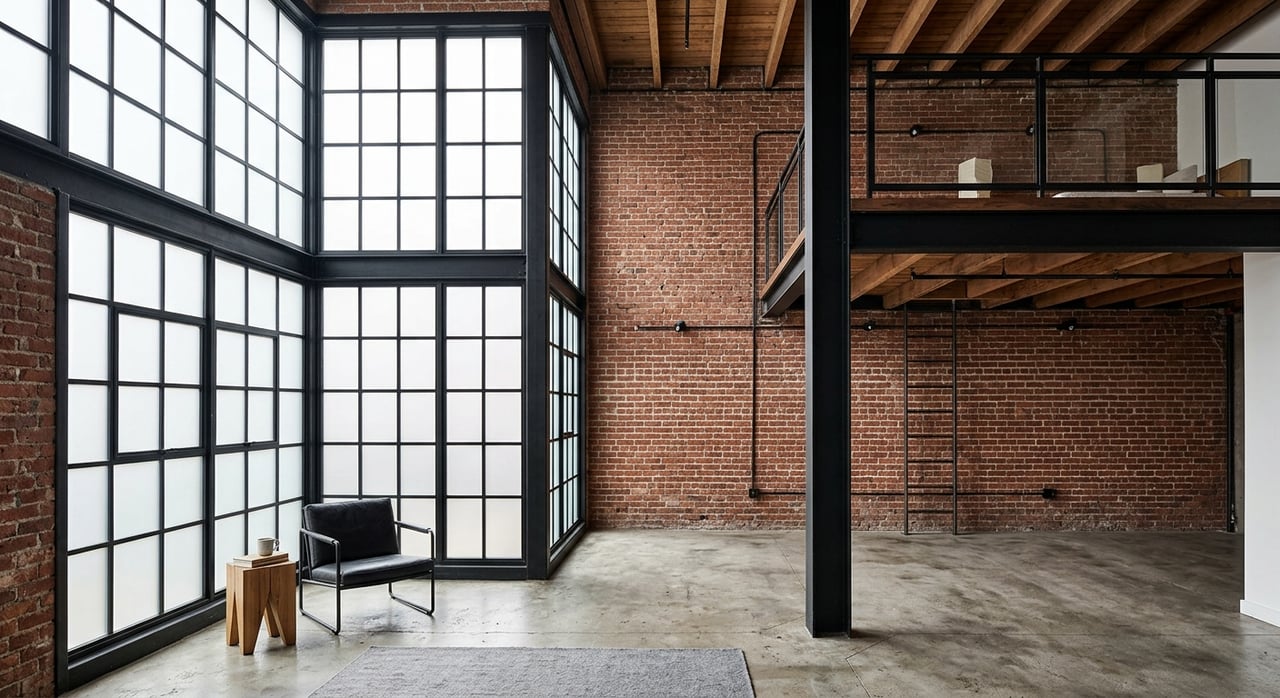
Conversions and resales may appeal to buyers who want loft character, established buildings, or a different value proposition than a newly delivered condo. In Williamsburg, that can mean looking at older industrial buildings that were later redeveloped into residential condominiums.
The key is not to assume one type is better. Instead, compare what you are actually getting in layout, condition, building systems, monthly costs, and location.
Get financing and your team in place
Once your budget is clear, get your financing ready before you fall in love with a unit. In a competitive condo market, preparation helps you move with less stress and fewer surprises.
At this stage, you want your lender lined up and your attorney ready to review documents as soon as a serious opportunity comes up. This is especially important in Williamsburg, where buyers may be moving between sponsor sales and resales with very different paperwork.
Why early prep matters
A condo can look straightforward online and become much more complex once documents arrive. If you wait until after an accepted offer to assemble your team, you may lose valuable time during contract review or contingency periods.
Having your financing and legal review process in place early also helps you compare properties more accurately. You can focus on the real cost and risk of ownership, not just the asking price.
Narrow your search by daily lifestyle
After budget and financing, refine your search around how you actually want to live. This is where Williamsburg buyers often save themselves time and frustration.
For example, you may prioritize waterfront access, proximity to certain subway lines, or a more boutique building feel inland. Official sources show that transit and neighborhood infrastructure vary across the area, so narrowing by routine can be more helpful than narrowing only by square footage.
Questions to ask yourself
As you sort through listings, ask:
- How important is subway access versus ferry access?
- Do you prefer a full-service building or a smaller boutique condo?
- Are you open to a conversion, or do you want brand-new construction?
- How much do amenities matter compared with unit size?
- Do you want to be closer to the waterfront, McCarren Park, or inland blocks?
These questions make tours more productive because you are comparing homes through the lens of your real priorities.
Tour units with a critical eye
When you tour, try to look beyond finishes and staging. Marketing can be polished, but your job is to understand the actual unit, the actual building, and the documents that support what is being offered.
The Attorney General recommends reading the full offering plan and consulting an attorney before signing a purchase agreement in a sponsor sale. It also makes clear that verbal promises, brochures, and renderings are not substitutes for the written disclosures in the plan.
Look at the building, not just the unit
During tours, pay attention to:
- Lobby and common-area condition
- Hallway and elevator upkeep
- Window quality and natural light
- Storage, bike, or parking access if offered
- Noise levels and street exposure
- Signs of deferred maintenance
A beautiful kitchen does not tell you everything. The building’s systems and records often matter just as much as what you see inside the apartment.
Review documents before you are bound
This is one of the most important steps in the process. Before your deal becomes binding, you want to understand exactly what is being sold and what the building’s records reveal.
For sponsor sales, the Attorney General says the offering plan is central because it governs what the sponsor is obligated to deliver. The AG also offers an offering plan database you can search by property name, address, file number, sponsor, or principal name.
Key documents to review
Depending on the type of sale, your attorney may review:
- Offering plan and amendments
- Purchase agreement or resale contract
- Financial reports
- Board minutes
- Building rules and governing documents
- Posted violations and repair history
The Attorney General specifically notes that these records may reveal issues involving facades, roofs, elevators, plumbing, electrical systems, or boilers. That kind of information can shape both your negotiation strategy and your comfort level with the purchase.
Confirm building-specific steps
Not every condo purchase follows the same timeline. Some buildings have sponsor-driven procedures, while others have management requirements or building-specific paperwork that can affect deadlines.
Before contingencies expire, confirm what is required with the managing agent and your attorney. Small process details can become big problems if they are discovered too late.
Common process items to verify
You may need to confirm:
- Required purchase application forms
- Move-in policies and deposits
- Insurance requirements
- Timing for lender documents
- Any sponsor-specific submission steps
This is where a methodical approach helps. Clear expectations can make the final stretch to closing much smoother.
Close on time and stay organized
Once your documents, financing, and building steps are in place, the focus shifts to closing. Staying organized matters because several taxes and filings are tied to the transfer and mortgage recording timeline.
New York City states that RPTT must be filed and paid within 30 days after transfer. New York State also says mortgage recording tax is due when the mortgage is recorded. Your closing team should coordinate these items, but it helps to know what is happening and when.
Why local guidance matters in Williamsburg
Williamsburg condo buyers are not just comparing homes. You are also comparing micro-locations, delivery timelines, building types, and document trails that can look very different from one listing to the next.
That is why a step-by-step approach matters here. With the right guidance, you can filter out noise, focus on the condos that fit your goals, and make a decision based on facts instead of pressure.
If you are planning your Williamsburg condo search, Raquel Lomonico can help you evaluate inventory, understand the process, and navigate each step with a more informed strategy.
FAQs
What makes buying a Williamsburg condo different from buying in other Brooklyn areas?
- Williamsburg includes several distinct submarkets, a high median condo price point, varied building types, and a mix of sponsor sales, conversions, and resales that can change both your search and due diligence process.
What costs should you expect when buying a condo in Williamsburg?
- In addition to the purchase price and down payment, you may need to budget for mansion tax on purchases of $1 million or more, mortgage recording tax if financing, and other closing-related costs confirmed by your lender and attorney.
What documents should you review before buying a Williamsburg condo?
- Depending on the transaction, you should review items such as the offering plan, amendments, contract, financial reports, board minutes, governing documents, and any posted violations or repair records.
What is the difference between a sponsor sale and a Williamsburg condo resale?
- A sponsor sale is generally tied to an offering plan and formal sponsor disclosures, while a resale is sold by an individual owner and may not include an offering plan.
What transit options should you consider when buying a condo in Williamsburg?
- Official city sources show Williamsburg is served by the G, L, and J/M/Z subway lines, along with NYC Ferry’s East River route, so your ideal location may depend on which transit option best fits your daily routine.