Thinking about selling your Park Slope condo in the next few months? You want a smooth process, a strong launch, and a top result without overspending or running out of time. The good news is that a focused pre-listing plan can do all three. In this guide, you will get a simple 3–6 month timeline, smart updates that matter in Park Slope, a condo document checklist, and tips for visuals and staging. Let’s dive in.
Plan your timing in Park Slope
Buyer activity around Greater NYC rises in late winter and peaks in spring, roughly March through June. Listing in early spring often captures more eyeballs and energy, but you should weigh current inventory, mortgage rates, and comparable sales before finalizing your launch date. A local review of neighborhood comps can help you determine whether an early or late spring debut serves you better.
Park Slope buyers include families, young professionals, and downsizers who value neighborhood character and convenience. What tends to matter most are proximity to Prospect Park, easy access to the F, G, 2, 3, B, and Q lines, nearby public and private schools, outdoor space, in-unit laundry, storage, original details like moldings and high ceilings, and quality finishes.
Before you go any further, confirm the property type. Park Slope has many co-ops and condo rules differ from co-ops. Mislabeling can lead to delays and confusion. If you are selling a condo, the documentation and approval process is more straightforward than a co-op, but it still requires preparation.
Your 3–6 month pre-listing timeline
A clear schedule keeps you organized and helps you launch with confidence. Use this plan, then tailor to your condo, building, and goals.
3–6 months before listing
- Hire a local listing agent who knows Park Slope condos. Ask for pricing guidance, return-on-investment advice for upgrades, and timing strategy.
- Confirm condo versus co-op status and engage an experienced real estate attorney for NYC condo sales.
- Start collecting building and unit documents to spot issues early. Look for special assessments, upcoming work, pending litigation, and building financial health.
- Arrange a pre-listing inspection or a contractor walk-through to identify deferred maintenance and get repair estimates.
- Create a budget and scope. Sort projects into three buckets: essential repairs, cosmetic upgrades, and staging or cleaning.
- If any mechanical or structural items require permits, start those early. Department of Buildings or Landmarks Preservation Commission timelines can add weeks.
6–8 weeks before listing
- Complete essential repairs and high-impact cosmetic updates like paint, lighting swaps, and floor refinishing if needed.
- Coordinate with building management to order the condo resale package or estoppel. Ask for lead times so you can plan.
- Declutter, deep clean, and remove excess furniture and personal items.
- Engage a professional stager or consult with your agent on a staging plan. Schedule your staging date.
- Gather documents buyers often request, including recent tax bills, utility averages, appliance manuals, and warranties.
1–2 weeks before photos and listing
- Finish touch-ups and schedule a professional cleaning.
- Stage the home so scale, light, and flow photograph well.
- Book a professional photographer, floor plan provider, and any video or 3D tour. Floor plans are especially important for NYC buyers.
- Prepare marketing inputs: a concise neighborhood overview, building amenities, and clear information about common charges and assessments.
- Confirm lockbox or key exchange, showing rules, and access protocol with building management.
On listing day and after
- Launch with a complete visual package that includes photos, a measured floor plan, and any video or 3D tour.
- Be ready to approve and respond to showing requests quickly in the first 1–2 weeks.
- Keep your condo documents accessible for buyer due diligence, the lender, and any association requests.
Cosmetic updates that move the needle
Park Slope buyers respond to clean, bright, and well-presented listings. If your time and budget are limited, focus on what reliably improves perceived value.
Highest-impact, low-cost
- Fresh, neutral paint throughout. Soft warm neutrals can make rooms feel larger and brighter.
- Deep clean and refinish or steam hardwood floors. Original wood floors are a selling point in the neighborhood.
- Upgrade lighting. Replace dated fixtures with brighter, modern options and add dimmers where appropriate.
- Declutter and stage. Professional or well-executed DIY staging helps buyers imagine living there.
- Swap small hardware. New cabinet pulls, faucets, and clean outlet and switch plates sharpen the look.
Mid-range improvements
- Kitchen refreshes. Repaint or refinish cabinets, update countertops with quartz or butcher block, add a simple backsplash, and consider modern appliances.
- Bathroom updates. Replace the vanity, refresh grout, upgrade fixtures, and improve lighting and ventilation.
- In-unit laundry. If possible, adding or highlighting washer and dryer access can shift buyer interest in your favor.
Higher-cost decisions
- Full kitchen or bath remodels should be balanced against your price band and Park Slope comps. High-quality kitchens can add value in many tiers, but returns vary. Discuss scope with your agent before committing.
- Structural changes or legalizing space often require permits and may not fit within a 3–6 month window.
Park Slope-specific features to highlight
- Outdoor areas. Show balconies, terraces, or garden access as usable spaces. Add simple seating and planters and aim for year-round appeal.
- Storage. Built-ins, closets, and bike storage matter. Consider modest solutions that add function without crowding the space.
- Original details. Clean and restore moldings, trims, and mantels to showcase character.
- Noise mitigation. If your unit faces a busy street, document soundproofing steps or show window upgrades.
ROI tips
- Low-cost cosmetic work usually shortens days on market and boosts perceived value more reliably than expensive custom renovations.
- Calibrate finishes to your target price range and buyer pool. In higher bands, premium details may matter more. In lower bands, layout, light, and cleanliness often carry the day.
- Discuss every major upgrade with your agent. They can align your plan with neighborhood comps and buyer expectations.
Get your condo documents ready
Having documents in order speeds up financing and closing. Start early so buyers and lenders have what they need.
Key documents to assemble
- Deed and recent ACRIS recording documents for proof of ownership.
- Condo declaration, bylaws, and amendments, plus the offering plan and any amendments.
- Resale package or resale questionnaire from building management or your condo attorney.
- Estoppel certificate that confirms common charges, assessments, reserves, and arrears.
- Recent board meeting minutes and financial statements for the last 6 to 12 months.
- House rules, pet policies, and any subletting or rental restrictions.
- Certificate of occupancy or temporary CO at the building level if relevant.
- Recent property tax bills and proof of payment of common charges and real estate taxes.
- Service contracts and warranties for appliances, HVAC, or permitted renovations.
- Inspection reports if you completed a pre-listing inspection.
Why confirming condo vs co-op matters
Co-ops require an extensive board package and a board interview or approval. Timelines can stretch for weeks and are driven by the buyer’s submission. Condos typically do not require buyer board approval the same way, although condo associations can have registration rules and sublet policies. Disclose these early.
Practical document tips
- Ask building management or your attorney for typical lead times on resale packets and estoppels and bake those into your timeline.
- If there are special assessments, upcoming projects, or pending litigation, disclose early. These items affect financing and appraisals.
Elevate visuals and staging
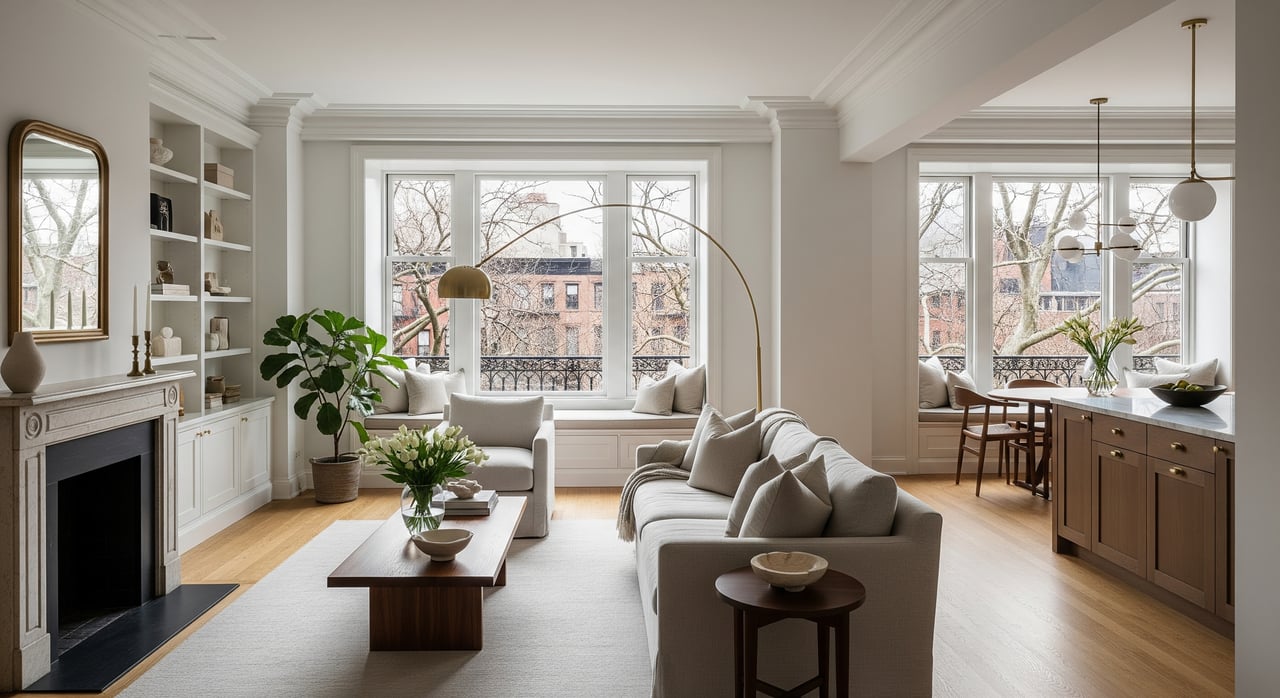
High-quality visuals are not optional in Park Slope. Your listing is competing with polished presentations, so aim for studio-quality imagery and clear layout information.
Photography and media
- Hire an experienced real estate photographer who uses HDR and wide-angle lenses without distortion. Provide a shot list, including living and dining areas, kitchen details, bedrooms, baths, laundry, storage, balcony or garden, building exterior, entryway, and views.
- Include a professionally drawn floor plan. NYC buyers rely heavily on layout to screen listings.
- Consider a 3D tour to increase engagement and reduce unnecessary showings, especially helpful for out-of-town buyers.
- A video walkthrough can highlight natural light, flow, and proximity context like access to Prospect Park and transit.
Staging that fits Park Slope
- Stage to your likely buyer. Families look for defined dining areas and functional storage, while downsizers and professionals want ease and clarity.
- Remove personal items so buyers can picture their own lives in the space.
- Use neutral, scaled furniture to show room size and traffic flow, not oversized pieces that crowd the rooms.
- Virtual staging is a strong option for empty units. Always disclose when images are virtually staged.
Photo day prep checklist
- Declutter and depersonalize all rooms and surfaces.
- Ensure consistent warm lighting and clean windows to maximize daylight.
- Hide trash bins, cords, personal toiletries, and branded items.
- Make beds, fold towels neatly, and remove fridge magnets and paper.
- Remove or store bulky furniture that blocks flow. Consider short-term furniture rentals if needed.
Common marketing mistakes to avoid
- Using cellphone photos instead of professional photography.
- Overstaging or heavy virtual edits that misrepresent size or condition.
- Skipping a floor plan or leaving out room dimensions.
- Delaying disclosure of assessments or building issues that lenders and buyers will discover later.
Position your listing for Park Slope buyers
With the right prep, you can showcase what Park Slope buyers want: light, layout, quality finishes, and lifestyle perks like outdoor space and park proximity.
- Lead with the big three: layout, light, and location. Make them obvious in your photos and description.
- Spell out building amenities, storage options, and any outdoor space. Style these areas so they are clearly usable.
- Highlight practical upgrades. Buyers notice recent paint, refinished floors, updated lighting, and modern fixtures.
- Provide transparent building information. Clear details on common charges, assessments, and rules help serious buyers move quickly.
Ready to put a plan in motion? A local, data-driven approach and high-production marketing can help you launch confidently and capture early attention. If you want a tailored Park Slope prep plan, pricing strategy, and a studio-quality listing package, connect with Raquel Lomonico.
FAQs
When is the best time to list a Park Slope condo?
- Buyer activity usually rises in late winter and peaks in spring, roughly March through June, but you should weigh current inventory, interest rates, and local comps before deciding.
Which updates offer the best return before listing?
- Focus on fresh neutral paint, floor cleaning or refinishing, better lighting, decluttering, and staging. These low-cost steps reliably improve perceived value.
What condo documents should I prepare in NYC?
- Gather the deed, condo declaration and bylaws, offering plan, resale package, estoppel, board minutes and financials, house rules, tax bills, proof of payments, warranties, and any inspection reports.
How do condo and co-op sales differ in Park Slope?
- Co-ops require a full board package and approval, which can add weeks. Condos typically do not require the same approval, but associations still have rules and registration steps to follow.
Do I need staging for a smaller Park Slope condo?
- Yes, staging helps buyers understand scale and flow and makes photos more compelling. Use scaled furniture and keep decor neutral and minimal.
Are 3D tours and floor plans worth it for Park Slope condos?
- Absolutely. NYC buyers rely on floor plans, and 3D tours increase engagement and reduce unnecessary showings, which is useful for out-of-town buyers.
How far in advance should I order the resale package or estoppel?
- Ask building management or your attorney about lead times as early as 6–8 weeks before listing, then plan your launch around the expected delivery date.