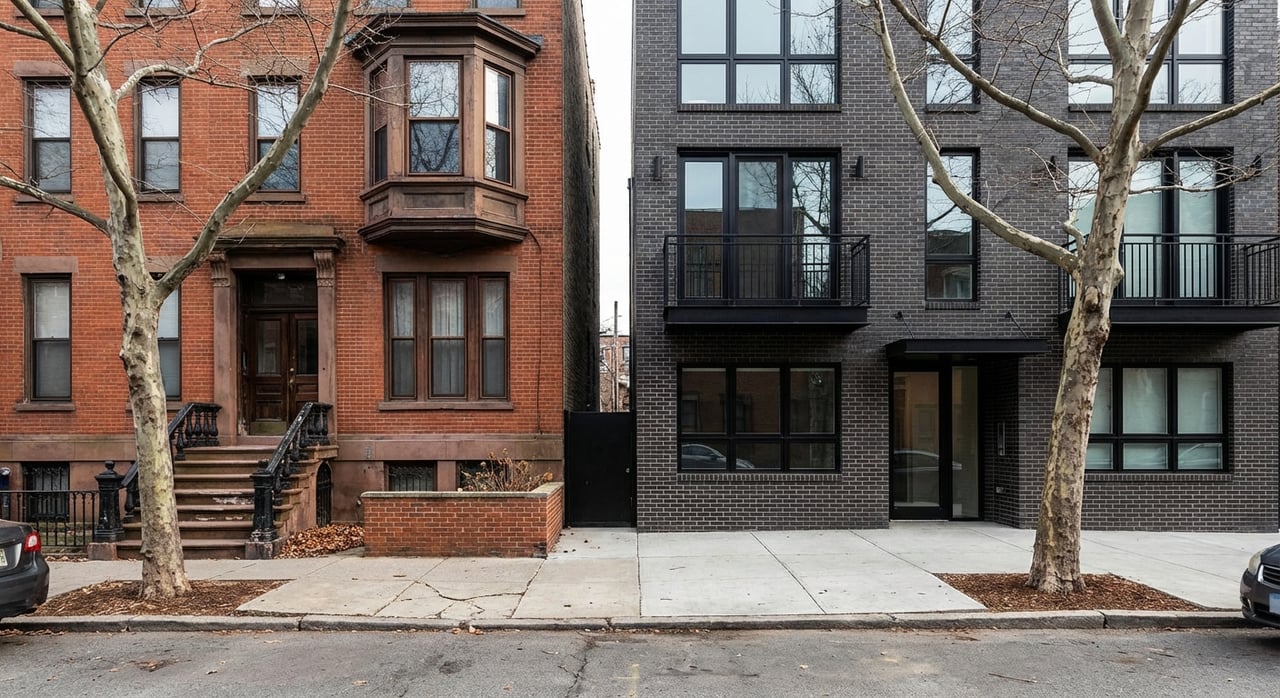
Condo or townhouse in Bushwick? If you are weighing space, costs, and long-term value, the choice can feel big. Bushwick offers both boutique condos and classic rowhouses at very different price points, with tradeoffs in maintenance, taxes, and lifestyle. In this guide, you will learn how prices compare today, how monthly costs actually stack up, and which option fits your goals. Let’s dive in.
Bushwick prices at a glance
Bushwick sits in the mid-to-upper price range for Brooklyn, and values vary by block and building. Recent snapshots for late 2025 show typical home values around the mid-to-high 900s, depending on methodology and whether you look at closed sales or asking prices. Always date your comps and use unit-level data when you narrow your search.
By property type, condos have recently closed for materially less than townhouses. In a Dec 2025 snapshot, PropertyShark reported a median condo sale around 762,000 dollars versus about 1.6 million dollars for houses. That data set can be small in any given month, so treat it as directional and verify with current, unit-level comps from your shortlist. You can review the latest neighborhood trend snapshot on PropertyShark’s Bushwick page.
Condo vs townhouse basics
What you own
- Condo: You own your individual unit and share common elements with other owners. You will pay monthly common charges for building upkeep, plus a separate property tax bill for your unit.
- Townhouse: You own the land and structure outright. There is no HOA, but you handle all maintenance and pay the full property tax bill for the building.
Monthly carrying costs
- Condos: Common charges typically cover building insurance, cleaning and maintenance of common areas, management fees, and reserve contributions. In Bushwick’s boutique buildings, charges often start in the low hundreds and rise with amenities and staffing. You will also pay your unit’s property taxes and utilities.
- Townhouses: You avoid HOA fees but take on all exterior and system upkeep. Many owners budget 1 to 4 percent of the home’s value per year for maintenance, with older brownstones on the higher end. See a practical overview of annual upkeep ranges from BuildNPower’s maintenance guide.
Insurance differences
Condo owners usually carry an HO-6 policy that covers interior finishes, personal property, and liability. Townhouse owners typically buy a full homeowners policy (HO-3) that covers the structure and contents. For a quick primer on condo insurance basics, review NerdWallet’s HO-6 overview.
NYC property tax mechanics
NYC taxes properties by class, and assessments are not a simple percentage of your purchase price. Many Bushwick townhouses fall into Class 1, while most condo buildings are treated under Class 2 rules. The Department of Finance explains how market and assessed values are determined and how classes work in detail on its assessed value page.
To illustrate how the math differs, DOF posts annual rates by class on its property tax rates page. A rough example using DOF’s 2026 rates shows Class 1 properties assessed at a lower ratio than Class 2, which is one reason townhouse and condo tax bills can feel very different. Do not estimate your taxes from a class ratio alone. Always review the actual unit or building tax history because transitional assessments, abatements, and credits can materially change the bill.
Financing factors to weigh
Loan types and approvals
- Condos: Most buyers use conventional financing. Your lender will review the condo project’s financials and any warrantability issues. Ask early about reserves, litigation, and investor concentration.
- Townhouses and 2–4 units: Owner-occupants can use FHA or VA on eligible 1–4 unit properties with lower down payment options in many cases. Read the federal overview of programs and requirements on HUD’s homebuyer page.
Lending quickchecks
- Will you owner-occupy the home for at least a year?
- Is the building a condo, a freehold 1–4 unit, or something else? Your loan options change accordingly.
- For condos: Is the project warrantable and adequately capitalized? Any pending special assessments?
- For 2–4 unit townhouses: Ask your lender about down payment, reserve requirements, and how they will underwrite projected rental income.
Lifestyle and space tradeoffs
Privacy and entry
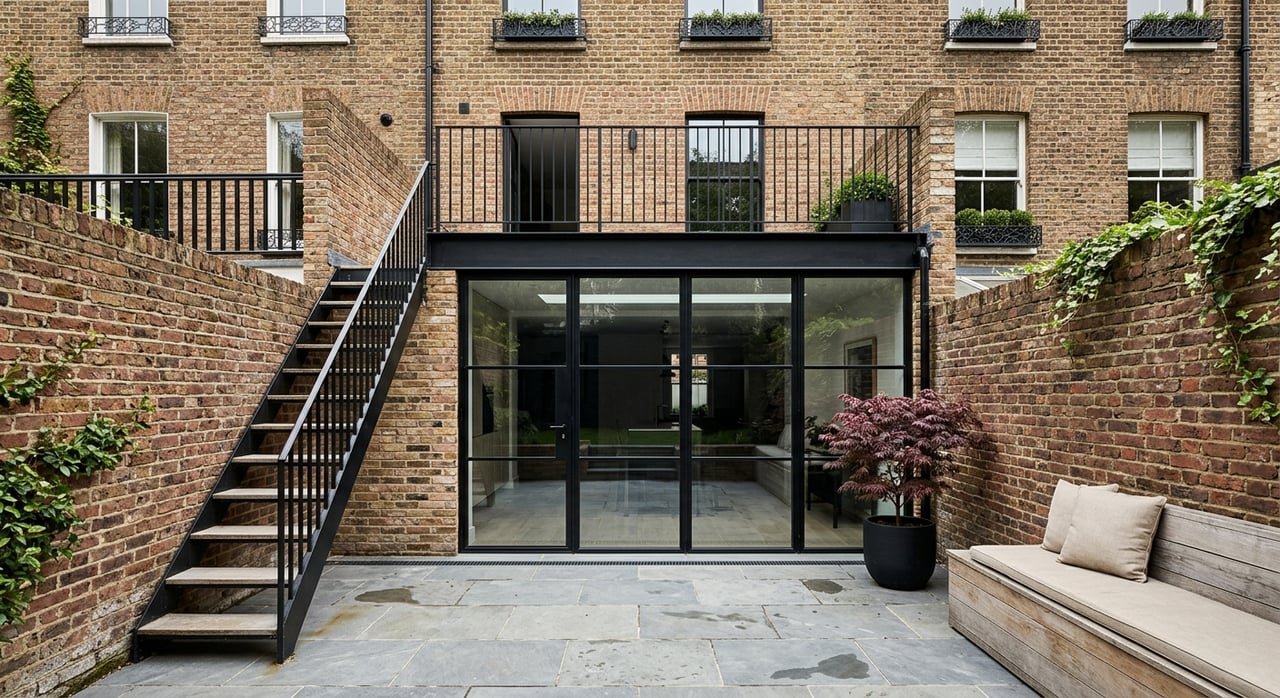
Townhouses offer a private front door and often a backyard or terrace. Condos have shared entries and corridors. If you value separation from neighbors, a townhouse can feel more like single-family living.
Amenities and convenience
Condos sometimes include communal perks like a roof deck, package room, or gym. Townhouses rarely have staffed services but give you complete control over renovations, finishes, and outdoor space. Decide whether you prefer built-in convenience or full autonomy.
Noise and layouts
With condos, you may have neighbors above and below, depending on the building. Townhouses have internal stairs and no upstairs neighbors, though you may share party walls. Ask yourself how sensitive you are to footfall noise, whether you work from home, and how you plan to use outdoor space.
Resale and rentability
Buyer pools and liquidity
Condos often attract first-time buyers and investors because of the lower entry price and shared maintenance. Townhouses appeal to buyers prioritizing privacy, outdoor space, and control, which can support premiums when inventory is tight. In any market, your unit’s layout, light, and condition will drive price more than the headline property type.
Rental and house-hack potential
If you buy a legal 2–4 unit townhouse and live in one unit, rental income from the others can offset your mortgage. Confirm the Certificate of Occupancy, HPD registration if required, and that existing rentals are legal. Start with NYC’s owner obligations and registration details on HPD’s resource page.
Basement and cellar units are tightly regulated for life safety. The City has explored legalization programs, but rules remain complex. Review context from the NYC Comptroller’s report on bringing basement apartments into the light and verify any unit’s status before you underwrite income.
Bushwick buyer scenarios
Scenario A: First-time buyer, 600K to 750K budget
You will likely focus on smaller condos or efficient one-bedrooms in boutique buildings. Your monthly payments include mortgage, unit taxes, and common charges, which vary by amenity level and building size. Ask for the latest HOA budget, reserve balance, and any planned assessments so you are not surprised after closing.
Scenario B: Space seeker, 1.2M and up
If you need more room and value private outdoor space, consider a townhouse or a legal 2–4 unit building and plan to owner-occupy one unit. Your purchase price and maintenance responsibilities will be higher, but you will have full control and the option to generate rental income if legal. For price context, the Dec 2025 PropertyShark snapshot showed a median house sale in Bushwick around 1.6 million dollars, though you should always verify with current comps.
Scenario C: Investor aiming for yield
A legal 2–4 unit townhouse can produce higher gross rent than a single condo, but underwriting standards are stricter. Expect lenders to require reserves and documented rental income. Confirm C of O, rent regulation exposure, and any open violations, and avoid assuming basement income unless it is fully legal.
What to verify before you bid
- Ownership form. Confirm if it is a condo, freehold townhouse, co-op, or a condo-townhouse hybrid. Ask for the deed and offering documents.
- Tax history. Review the last two years of tax bills and any abatements or credits. The City’s abatements can reduce a condo’s tax bill for eligible owners; get an overview from this NYC condo/co-op abatement explainer, then verify the specific unit’s bill.
- Condo diligence. Request the offering plan, the current HOA budget, reserve balance, last 12 months of board minutes, and any pending special assessments.
- Townhouse diligence. Confirm the Certificate of Occupancy, check for DOB or HPD issues if applicable, and verify building-system ages and recent upgrades. Start with HPD’s registration guidance for multi-unit properties on the City’s site.
- Taxes and classes. Read how DOF determines assessed value by class on its assessed value overview and check current property tax rates. Then pull the property’s actual tax bill rather than estimating from formulas.
The bottom line
If you want a lower entry price, shared maintenance, and potential amenities, a Bushwick condo can be a smart, manageable first purchase. If you want privacy, a backyard, and renovation control, a townhouse offers a deeper, long-term living experience with higher upfront and ongoing costs. The best choice depends on your budget, tolerance for maintenance, and plans for the next five to ten years.
If you are deciding between a Bushwick condo and townhouse, let local expertise guide your move. The Raquel Lomonico team brings data-driven pricing, North and East Brooklyn market depth, and development-savvy insight so you can buy with confidence.
FAQs
Are condos or townhouses cheaper to buy in Bushwick?
- As of Dec 2025, PropertyShark reported a Bushwick median condo sale around 762,000 dollars and a median house sale near 1.6 million dollars. Use this as directional context and verify with current, unit-level comps.
How do Bushwick condo common charges work?
- Common charges fund building insurance, cleaning, maintenance, management, and reserves for shared areas. They vary by amenity level and building size. You still pay your own unit’s property taxes and utilities.
How are NYC taxes different for condos vs townhouses?
- NYC taxes properties by class with different assessment rules. Many townhouses are Class 1 and most condos fall under Class 2. Read how assessments work on DOF’s assessed value page, then confirm the specific unit’s recent tax bills.
Can I use FHA to buy a 2–4 unit townhouse in Bushwick?
- Yes, many owner-occupants can use FHA on eligible 1–4 unit properties, subject to program rules and loan limits. Review details on HUD’s homebuyer resource and speak with your lender early.
What should I verify before counting rental income from a Bushwick townhouse?
- Confirm the Certificate of Occupancy, check HPD registration if it is a multiple dwelling, and make sure every unit is legal. NYC’s basement and cellar rules are complex; see the Comptroller’s basement apartments report and verify legality before you underwrite any income.