If you’re thinking about living in Williamsburg, you’re probably wondering whether the hype matches real daily life. The short answer is yes, but with some important tradeoffs. Williamsburg offers strong transit access, waterfront parks, condo-heavy housing, and a fast-paced food and arts scene, but it also comes with high housing costs, ongoing construction, and block-by-block differences in feel and convenience. Let’s dive in.
Williamsburg at a glance
Williamsburg is one of Brooklyn’s most active and fast-changing neighborhoods. According to the NYU Furman Center, the neighborhood population was estimated at 191,029 in 2023, and the area remains dense, renter-heavy, and transit-oriented.
That daily rhythm shows up in how people move around. The homeownership rate was 16.1% in 2023, the rental vacancy rate was 2.0%, and 85.4% of commuters traveled without a car. Mean travel time to work was 35.1 minutes, which helps paint a picture of a neighborhood built around walking, trains, and a busy city pace.
Who Williamsburg tends to fit best
Williamsburg tends to appeal most to people who want urban convenience, walkability, and constant activity. If you like having parks, restaurants, cultural venues, and transit options close together, the neighborhood checks a lot of boxes.
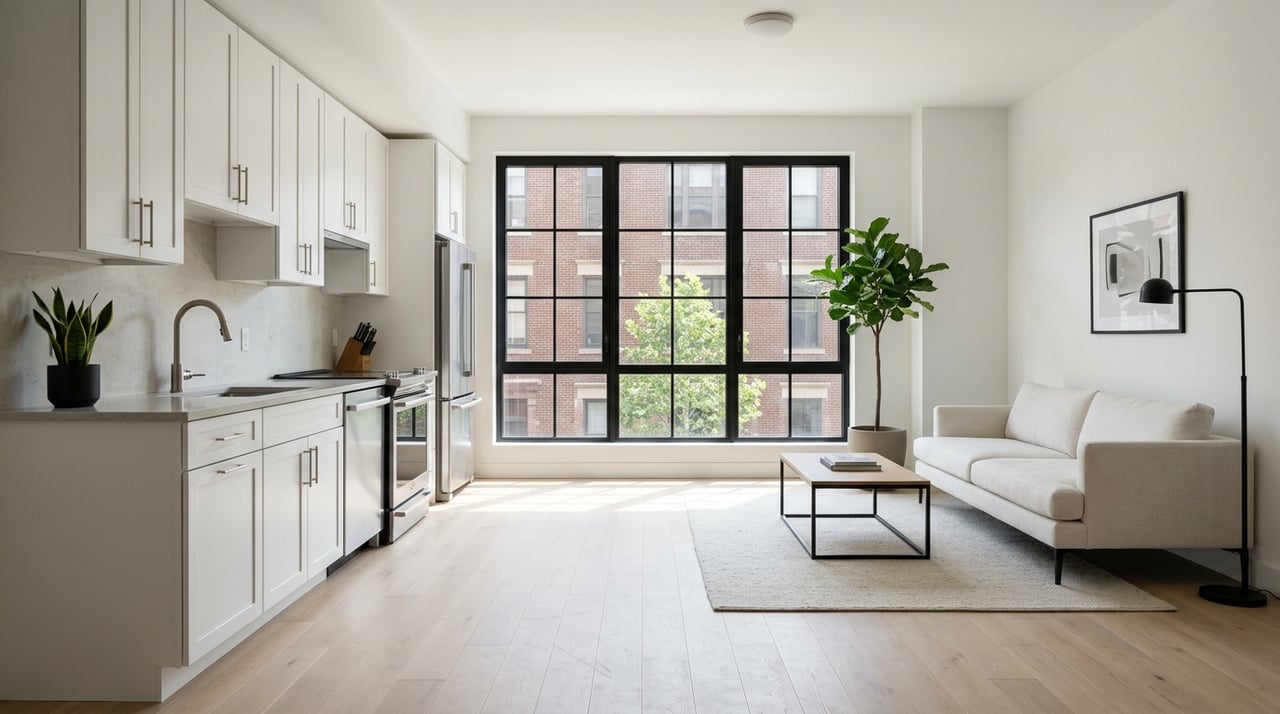
It can also be a strong fit if you are looking at condos, newer buildings, or loft-style homes. The local housing mix leans heavily toward apartments and condos rather than detached houses, so your options will likely reflect that.
On the other hand, Williamsburg may be less appealing if you want lower housing costs, more privacy, easy parking, or a quieter, lower-density setting. The neighborhood has energy and momentum, but that same energy can feel intense depending on your priorities.
Outdoor life is a real perk
One of the biggest advantages of living in Williamsburg is how easy it is to build outdoor time into your week. The neighborhood has several notable parks that support everything from morning runs to dog walks to casual afternoons by the water.
Marsha P. Johnson State Park offers seven acres along the East River, with free admission, a playground, and access by foot, bike, and public transportation. Domino Park adds a six-acre waterfront setting with a promenade, playground, dog run, volleyball, bocce, and regular events.
McCarren Park, located between Greenpoint and Williamsburg, brings even more variety. At 35 acres, it includes fields, courts, a running track, a pool, dog-friendly areas, and barbecuing areas.
What that means for daily routines
In practical terms, Williamsburg makes it easier to spend time outside without planning your whole day around it. You can fit in a walk by the river, stop at a playground, meet friends in the park, or get in a run before work.
That matters because in a dense neighborhood, access to usable open space changes how the area feels. Williamsburg still feels urban, but the park mix gives you more breathing room than you might expect.
Food, nightlife, and arts shape the neighborhood
Williamsburg’s reputation for dining, nightlife, and arts is not just a weekend story. It shows up in the neighborhood’s regular pace and helps define what everyday life feels like here.
Smorgasburg runs in Williamsburg on Saturdays from 11 a.m. to 6 p.m., adding a reliable food-focused destination to the local routine. Brooklyn Brewery’s tasting room hosts events and live music, while Brooklyn Bowl at 61 Wythe Avenue adds another well-known entertainment option close to transit.
National Sawdust, a nonprofit performing arts venue at 80 North 6th Street, is another example of the neighborhood’s cultural footprint. The Williamsburg Art & Historical Center at 135 Broadway adds a different kind of local arts presence near the Williamsburg Bridge.
The pace feels active
Taken together, these destinations help explain why Williamsburg often feels busy and social. Show nights, food markets, brewery events, and small-venue performances are part of the neighborhood’s normal rhythm, not just special occasions.
If you want a place where there is usually something happening nearby, Williamsburg delivers. If you prefer a calmer environment, that same activity level may feel like a tradeoff.
Transit is strong, but location matters
Transit is one of Williamsburg’s biggest practical strengths. The neighborhood is served by the L, J, M, and G subway lines, including stations such as Bedford Avenue and Lorimer Street on the L, Marcy Avenue and Hewes Street or Lorimer Street on the J and M, and Nassau Avenue and Greenpoint Avenue on the G.
There is also NYC Ferry service along the East River route. During weekday peak hours, the route splits so East River A serves North Williamsburg and East River B serves South Williamsburg and Greenpoint.
The Williamsburg Bridge adds another key connection between Brooklyn and Manhattan. For many residents, this mix of train, ferry, and bridge access supports a car-light or car-free lifestyle.
Why exact address matters
Even with strong transit overall, convenience can vary a lot by block. Subway stations, ferry landings, and bridge access are not evenly spread across the neighborhood, so two homes in Williamsburg can feel very different in terms of commute ease.
That is one reason local guidance matters when you are buying or renting here. A building that looks similar on paper may offer a very different daily experience depending on how close it is to your preferred train, waterfront route, or regular routine.
Housing in Williamsburg
Williamsburg’s housing stock is shaped by apartments, condos, and ongoing development. According to the Furman Center, there were 620 condo sales in 2024, compared with 86 sales in 2-to-4-family buildings and 63 sales in 5-plus-family buildings.
The median condo sale price in 2024 was $1,250,000 per unit. New development also remains active, with 910 new residential units authorized by permit in 2024 and 3,281 new residential units receiving certificates of occupancy.
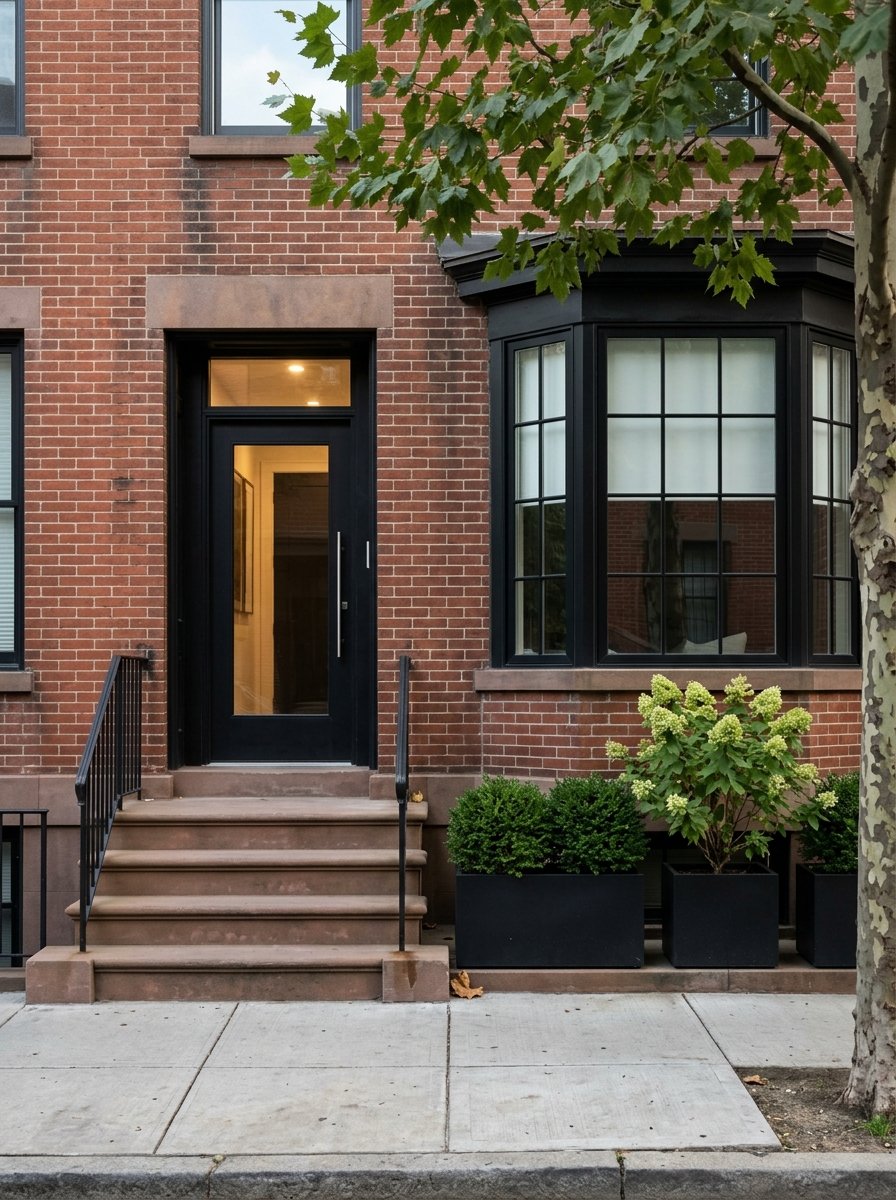
NYC Planning notes that R7-3 is mapped along the Williamsburg waterfront, while R6 and R7 districts can produce a wide range of apartment-house forms depending on lot size and bulk rules. In simple terms, that helps explain why parts of Williamsburg continue to add larger residential buildings and why the streetscape can shift noticeably from one area to another.
What buyers will likely see
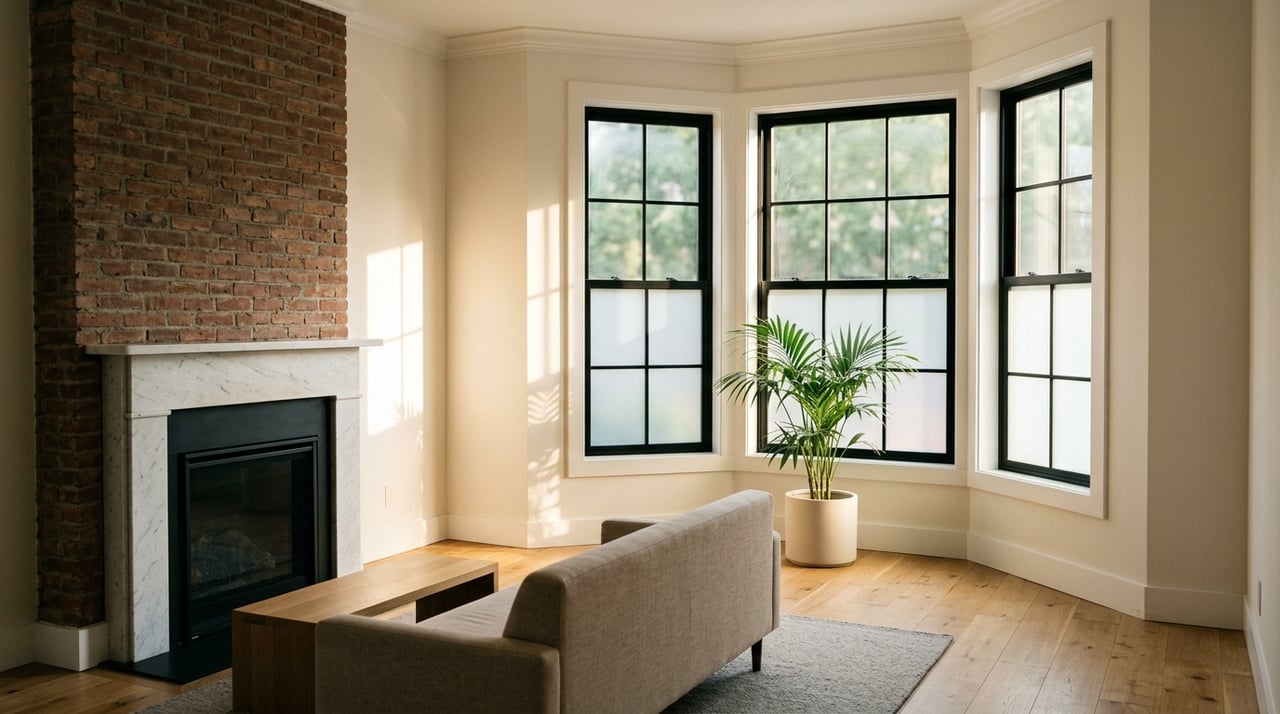
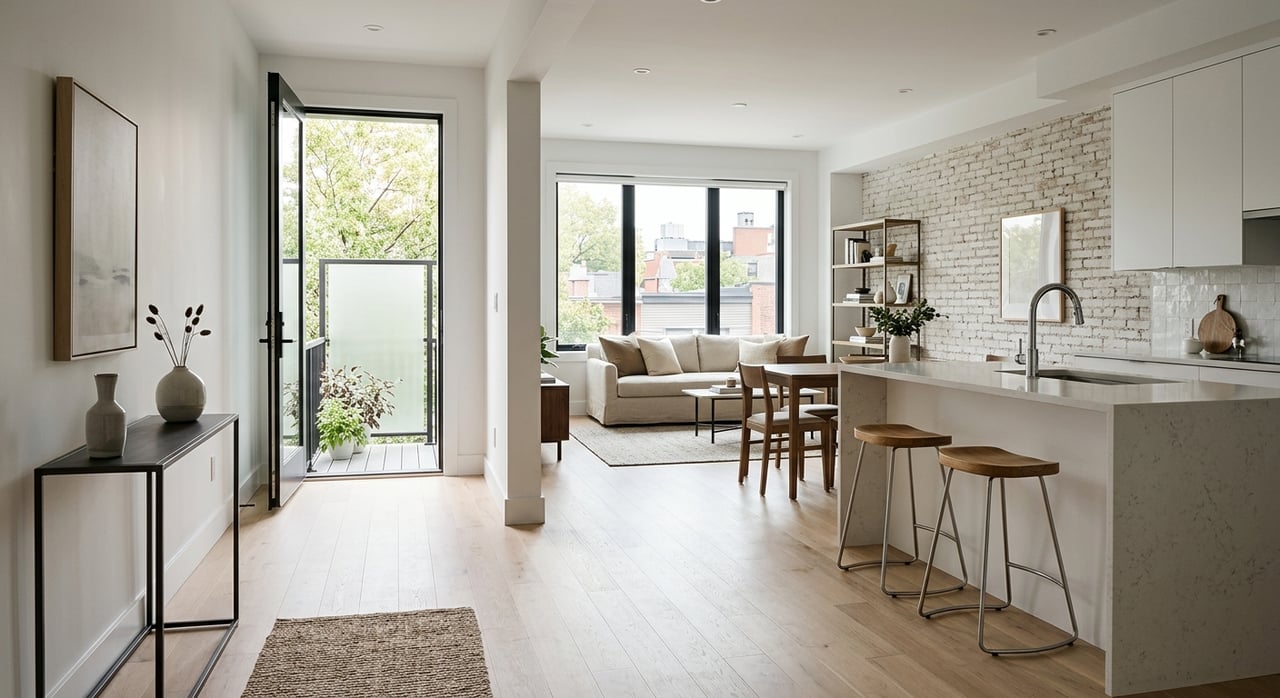
If you are shopping in Williamsburg, you will likely see a lot of condo inventory, newer buildings, and loft-style homes. That includes waterfront buildings, glassy new construction, and converted industrial properties alongside older residential stock.
For buyers who want modern layouts, building amenities, and condo living, that can be a major plus. For buyers hoping for detached homes or more traditional low-density housing, the available inventory may feel limited.
The real tradeoffs to know
Williamsburg has a lot going for it, but it helps to be honest about the tradeoffs. Housing costs are high, and the neighborhood remains one of Brooklyn’s more expensive markets.
Rent pressure is real as well. The Furman Center reports that real median gross rent increased from $1,240 in 2006 to $2,570 in 2023, and 22.4% of renter households were severely rent-burdened.
Brooklyn Community Board 1’s FY2027 needs statement also identifies affordable housing, parks and open space, and transportation infrastructure as top priorities. The same report notes a surge of high-end and luxury residential projects that remain out of reach for many residents.
Construction and crowding are part of the picture
From 2010 to 2024, Williamsburg added 24,491 housing units, most of them market-rate. That level of growth helps explain why some blocks feel noticeably different from others and why construction is still part of the neighborhood experience.
You may also notice crowding on busier corridors, especially in areas near major stations, popular retail stretches, and the waterfront. For some people, that adds energy. For others, it can feel like noise, congestion, and less personal space.
So, what is it really like?
Living in Williamsburg often means trading space and affordability for convenience, culture, and access. You get a neighborhood with strong transit, standout parks, active streets, and a housing market that includes a large share of condos and newer buildings.
At the same time, you need to be comfortable with a dense environment, premium pricing, and a neighborhood that is still evolving. That combination is exactly why Williamsburg works so well for some buyers and renters, and feels less practical for others.
If you are considering a move here, the smartest next step is to look beyond the neighborhood name and focus on the exact block, building type, and daily routine you want. In Williamsburg, small location differences can have a big impact on how the neighborhood lives day to day.
If you want help understanding which part of Williamsburg aligns with your lifestyle and housing goals, connect with Raquel Lomonico for local, data-informed guidance.
FAQs
What is daily life like in Williamsburg, Brooklyn?
- Daily life in Williamsburg is fast-paced and transit-oriented, with easy access to parks, restaurants, arts venues, and waterfront spaces.
Is Williamsburg a good neighborhood for condo buyers?
- Williamsburg can be a strong option for condo buyers because the local housing market is heavily condo-oriented and includes many newer buildings and loft-style homes.
How expensive is living in Williamsburg?
- Williamsburg is one of Brooklyn’s more expensive neighborhoods, with a 2024 median condo sale price of $1,250,000 and rising rents over time.
Does Williamsburg have good transit access?
- Williamsburg has strong transit access through the L, J, M, and G subway lines, NYC Ferry service, and the Williamsburg Bridge, though convenience varies by exact address.
What are the downsides of living in Williamsburg?
- The main tradeoffs include high housing costs, ongoing construction, crowding on busy corridors, and uneven transit convenience depending on the block.
Does Williamsburg have good parks and outdoor space?
- Williamsburg offers strong outdoor access through Marsha P. Johnson State Park, Domino Park, and nearby McCarren Park, which support walks, runs, playground time, and recreation.