Thinking about buying a condo in Williamsburg but not sure how to compare buildings, prices, and value? You are not alone. The neighborhood offers a wide mix of options, from waterfront towers to loft conversions, and each segment moves differently. In this guide, you will learn how inventory, price-per-square-foot, and the new-development pipeline affect your search so you can shop with confidence. Let’s dive in.
Why buyers choose Williamsburg
Williamsburg blends quick Manhattan access with a vibrant, walkable lifestyle. You have multiple transit options, including the L and J/M/Z trains and East River ferry service. The area’s restaurants, retail, and creative employers add to daily convenience. Buyers also value the neighborhood’s variety of building types, which means you can prioritize views, amenities, or total monthly cost.
Building types and inventory dynamics
Waterfront luxury towers
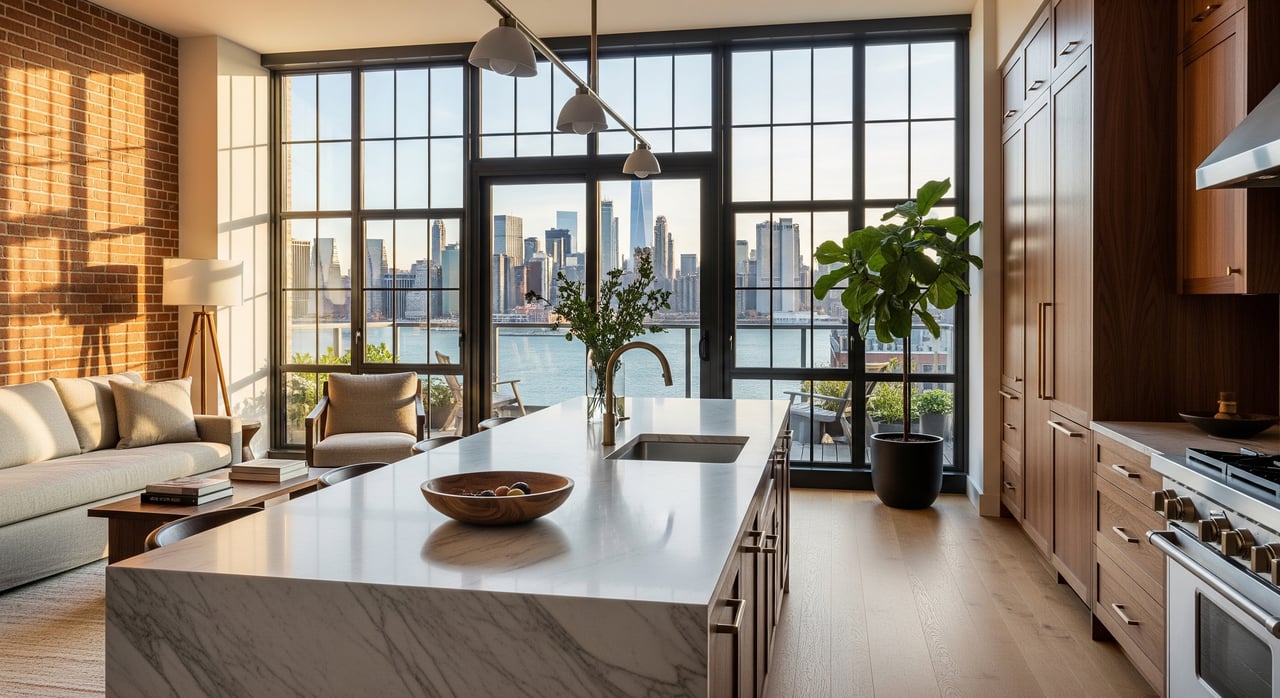
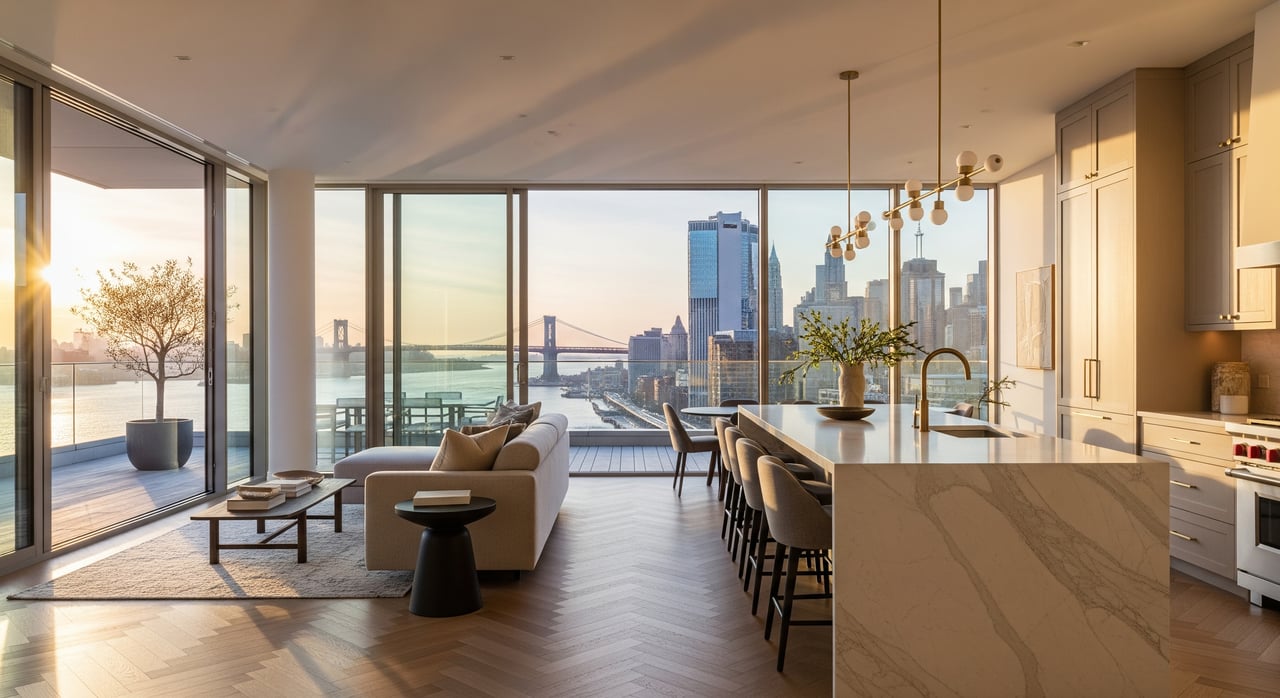
Waterfront and near-waterfront high-rises typically offer full amenities, larger ceiling heights, and higher finishes. Inventory is often concentrated at the top of the market. Developers may release homes in phases, and resale inventory can be limited while similar new units create competition. When supply rises or demand softens, you may see incentives like closing cost assistance or flexible closings.
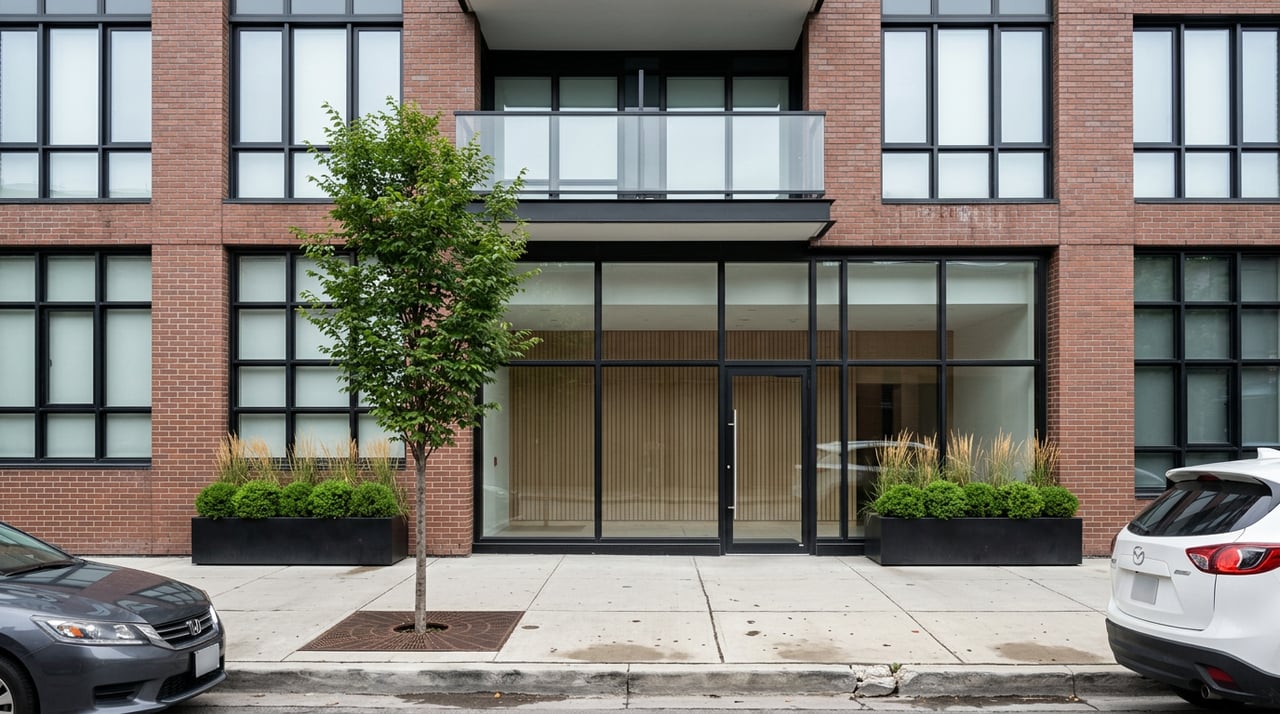
Boutique mid-rises and newer conversions
Boutique condos, often 10 to 40 units, tend to attract end users. They may offer modern finishes with fewer amenities than towers. Resales that are well priced often see faster absorption than large new buildings. Negotiation in this segment usually hinges on days on market, recent comparable sales, and condition.
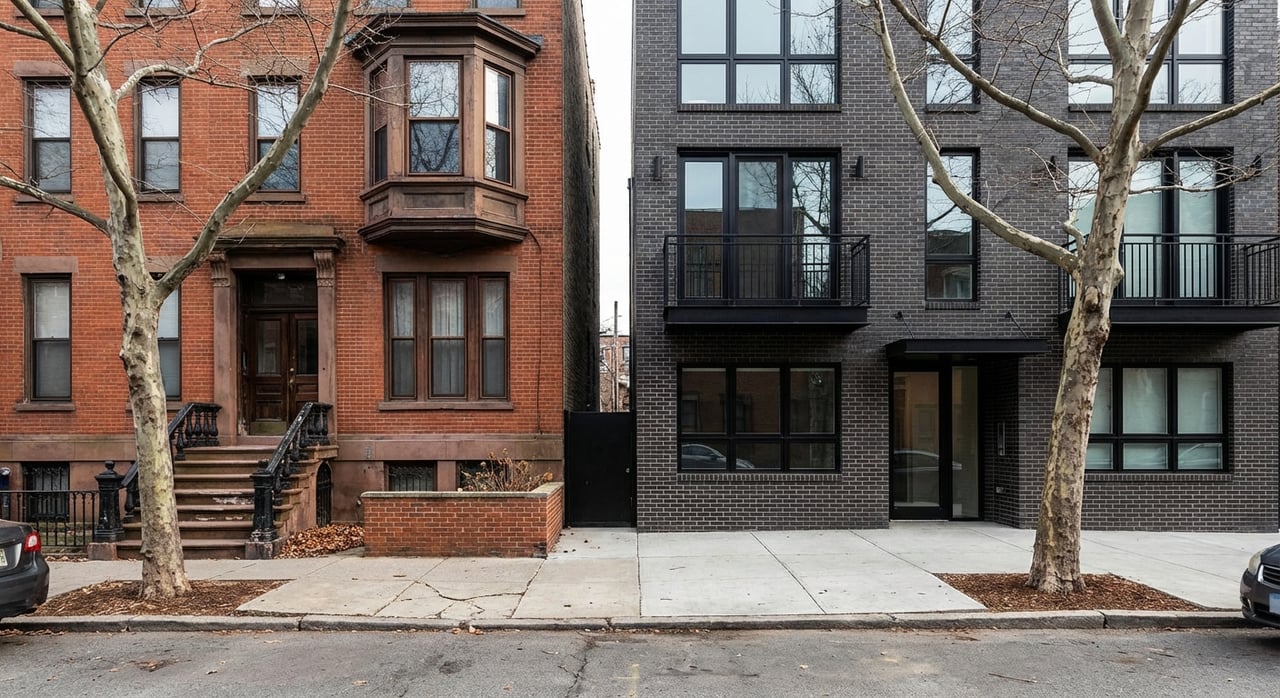
Older walk-ups and prewar loft conversions
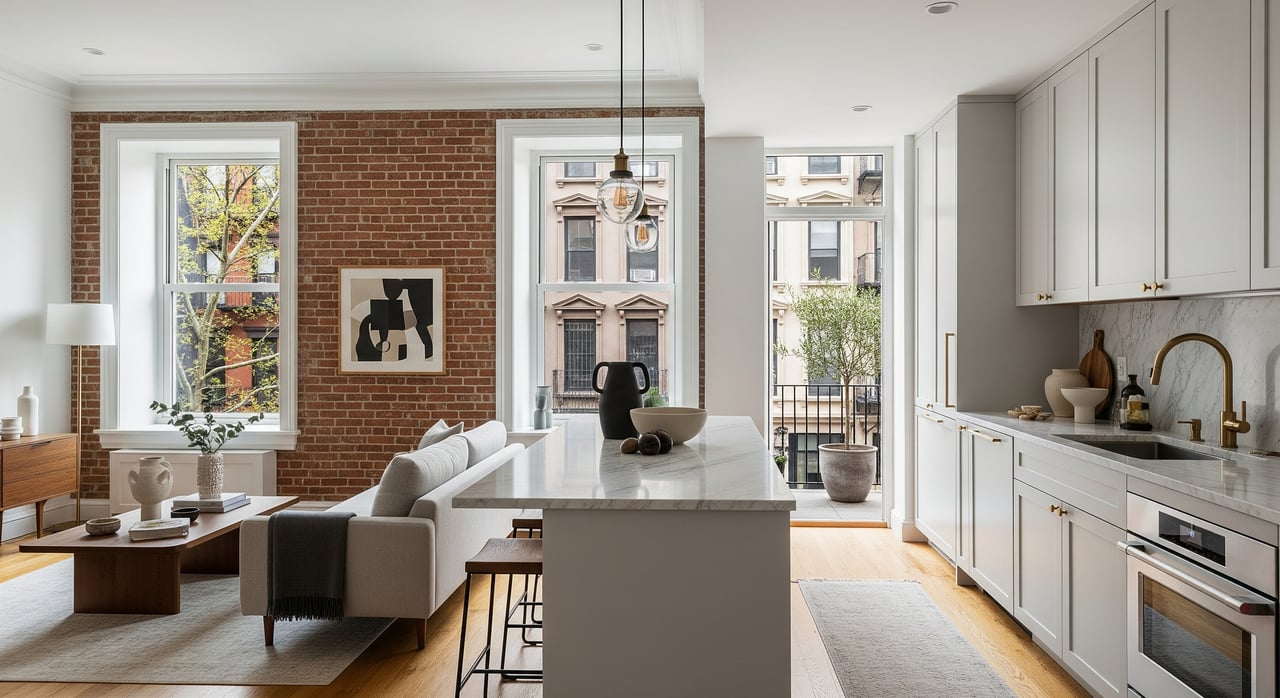
These buildings often have lower common charges and fewer amenities. Layouts can be smaller or less standardized, which affects usability. Prices can be lower in total dollars, especially for smaller units, though price-per-square-foot can vary widely. Plan for potential renovation costs and ask about building-level risks like capital assessments.
Mixed-use and tax-abated projects
Some buildings include ground-floor retail with residences above. Others may have tax abatements that reduce carrying costs for a period. If you are considering a tax-abated property, model your monthly costs after the abatement ends. When multiple units release at once, these projects can add noticeable inventory to the local market.
Rental-to-condo conversions
Conversions can bring a batch of units to market with limited resale history. Pricing may be competitive to spur absorption. Review building governance, reserves, and maintenance plans to understand long-term stability. Because historical comps may be thin, focus on recent closed sales in similar buildings and nearby new construction for context.
Price-per-square-foot basics
What drives price-per-square-foot
Price-per-square-foot in Williamsburg varies by building age, ceiling height, light and exposure, views, amenity package, doorman or parking, layout efficiency, proximity to transit, and floor level. Waterfront and high-amenity properties commonly command the highest premiums, while older walk-ups and smaller units can show a wide range.
How to estimate quickly
Segment the market as you compare options:
- Older small studios or 1-bed walk-ups and conversions
- Modern boutique 1 to 2-bed condos
- Newer mid-rise or high-rise condos off the waterfront
- Waterfront and luxury towers with views and full amenities
Since figures shift with market cycles, pull medians and a reasonable range for the last 6 to 12 months before you tour. Focus on closed sales over asking prices for a true read. Avoid outliers like penthouses when building your baseline.
Price-per-square-foot vs total monthly
Price-per-square-foot helps you compare across buildings, but your decision will likely come down to your total monthly costs. Weigh mortgage, taxes, common charges, insurance, and utilities. A larger home can show a lower price-per-square-foot but still carry a higher total monthly payment.
Absorption, negotiability, and the pipeline
Read the key indicators
Months of inventory is a simple way to judge leverage. Fewer than three months suggests a seller-tilted market, three to six months looks balanced, and more than six months points to a buyer-tilted market. Pair this with days on market and sale-to-list price ratios. Rising days on market and softening sale-to-list ratios indicate growing room to negotiate.
How new development shifts leverage
Fresh condo launches can temporarily raise local inventory and slow absorption for comparable resales. When several projects deliver together, you can often compare similar new units, and developers may offer incentives or adjust pricing to meet targets. Nearby resales may also sharpen pricing when buyers perceive newer finishes or richer amenity packages.
What to measure before making an offer
- Active condo listings for your building type and size
- Closed sales in the last 3 to 6 months
- Months of inventory and median days on market
- Sale-to-list price trends in your segment
- Recent developer incentives and new-unit releases in the last 12 to 24 months
Compare North Brooklyn submarkets
Williamsburg core
Expect higher amenity density, a larger concentration of waterfront options, and strong dining and retail. Price-per-square-foot is generally higher here, with notable variation between north and south pockets. The range of product types lets you trade views and amenities for total cost as needed.
North Williamsburg and the Greenpoint edge
Quieter blocks appear in places with low-rise buildings and conversions. New condos are increasing, and price-per-square-foot is often a step below the prime waterfront. Consider commute preferences and local retail streets when choosing between the two.
East Williamsburg and the Bushwick border
This area includes more industrial conversions and potential for larger loft layouts. Price-per-square-foot is often lower than the core waterfront. Expect a different neighborhood character and consider future pipeline projects as you assess long-term value.
DUMBO and Navy Yard adjacency
Nearby DUMBO typically commands premium price-per-square-foot for waterfront views and job center proximity. The Navy Yard area hosts newer large-scale developments with distinct amenity and pricing structures. If you are comparing cross-neighborhood options, weigh commute, finishes, and amenity depth.
Transit trade-offs to weigh
Some subareas offer faster ferry access, while others are closer to L or J/M/Z lines. If commute time matters, map out door-to-door travel during peak hours. Also consider access to bike paths and bridges for additional flexibility.
Buyer checklist before touring
- Price-per-square-foot range for your unit size and building type, using closed sales from the last 6 to 12 months
- Months of inventory and recent days on market for the segment you want
- Three to five closed comps, ideally in the same building or a close peer set
- Building details: year built, amenities, common charges, tax abatements or PILOT, recent or pending assessments, pet policy
- Financing factors: investor caps, loan-to-value limits, and any borrower restrictions that affect resale
- Governance and reserves: board health, meeting notes if available, upcoming capital projects
- Flood and insurance: check FEMA and NYC floodplain designations, especially for waterfront units
- Commute and daily life: L and J/M/Z trains, ferry options, bike routes, and nearby retail corridors
On-the-ground touring tips
- Compare similar unit types across building classes to see real finish and layout differences
- Check orientation and noise exposure, street versus courtyard versus waterfront
- Ask about recent offers, price changes, and why any prior listing was withdrawn
- For new buildings, confirm tax abatement timelines, staged closings, and any developer warranty details
Keep your data current
Before you write an offer, refresh your figures. Review neighborhood market snapshots, track active and in-contract listings, and verify closed sales for the last 6 to 12 months. Check building permits and certificates of occupancy to understand which new projects are completing soon. Developer incentives change quickly, so ask the sales team for current offers when you tour.
Final thoughts
Williamsburg offers a broad selection of condos, and each segment reacts differently to interest rates, inventory, and the new-development pipeline. If you anchor your search to closed comps, months of inventory, and total monthly costs, you will make a clearer, more confident decision. When you are ready to compare shortlists or pressure test pricing, connect with a local team that works across new development and resales. Work with Raquel Lomonico to strategize your buy, preview upcoming listings, and negotiate from strength.
FAQs
How negotiable are Williamsburg condo prices?
- Negotiability varies by segment, with well-priced boutique resales often moving quickly while new-development and top-tier luxury units may show more room or incentives when supply rises or the market softens.
Should I focus on price-per-square-foot or total monthly cost?
- Use price-per-square-foot for cross-building comparisons, then make your decision based on total monthly carrying costs and layout usability, since larger homes can show lower ppsf but higher monthly costs.
How do new developments affect resale values in Williamsburg?
- New supply increases competition and can pressure older comparables, yet high-quality projects can lift neighborhood demand; watch closings and absorption to judge real-time effects.
Are waterfront condos worth the premium?
- Waterfront homes often command higher prices for light and views, so weigh those benefits against flood risk, insurance considerations, and potentially higher taxes or common charges.