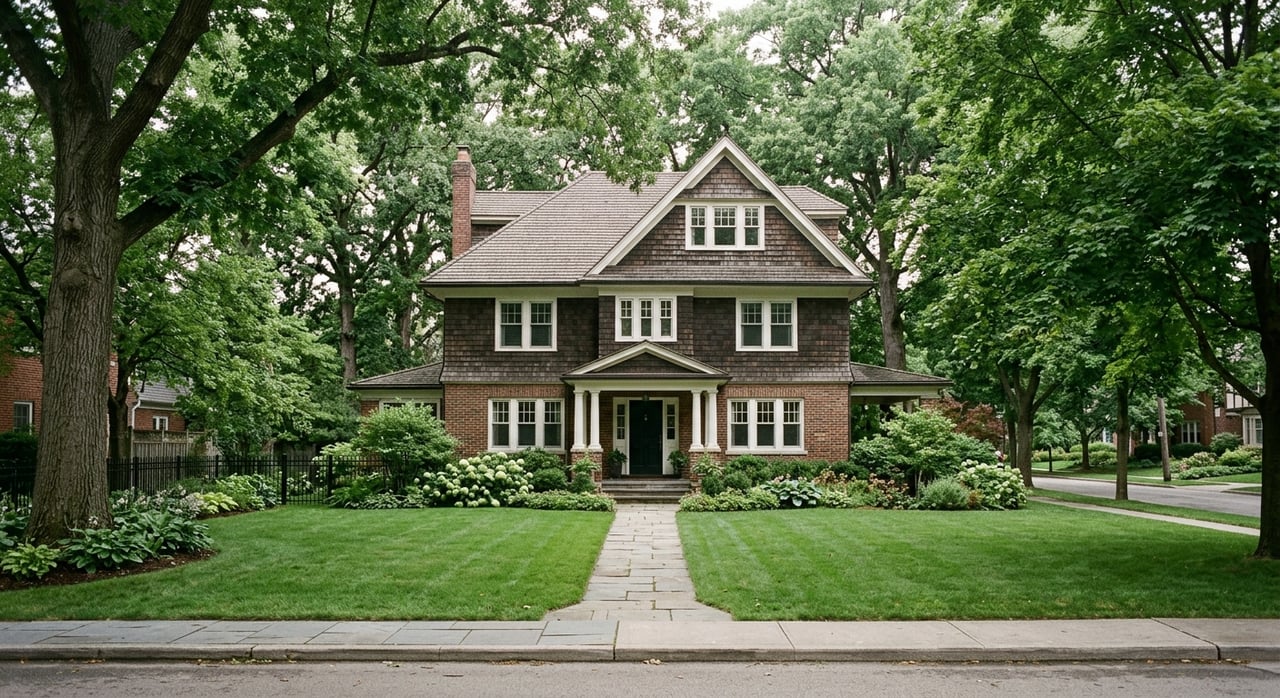
Dreaming of a Brooklyn home that feels both tucked away and deeply connected to the city? Prospect Park South offers a rare mix: a landmarked historic district of freestanding houses set beside one of New York City’s great parks. If you are curious about what daily life here actually looks like, this guide will walk you through the neighborhood’s history, architecture, outdoor access, and everyday rhythm. Let’s dive in.
Prospect Park South at a Glance
Prospect Park South is not just a place on the map south of the park. It is a planned historic enclave within Victorian Flatbush, with about 206 homes in a compact area that is roughly two blocks long and four blocks wide, according to the neighborhood association.
That small footprint helps shape the lifestyle. The area feels distinctly residential and unusually quiet for Brooklyn, especially given its location just off Prospect Park and the Parade Ground.
A Historic District With a Clear Identity
The neighborhood’s roots go back to 1899, when Dean Alvord began developing Prospect Park South as a planned suburban community. Over roughly two decades, it took shape as a turn-of-the-century residential district designed to offer a greener, more spacious living experience.
The Landmarks Preservation Commission has described it as one of New York City’s best-preserved suburban developments from that era. The historic district was designated in 1979, and the neighborhood was later listed on the National Register of Historic Places in 1983.
For you as a buyer or homeowner, that history is more than a talking point. It explains why the neighborhood feels cohesive, intentional, and visually distinct from many other Brooklyn blocks.
Historic Homes Define the Streetscape
What stands out first in Prospect Park South is the housing form. Instead of continuous row houses, the early homes here were built as freestanding, frame, two-story residences with attics, creating a more open and park-like streetscape.
The original landscape plan also mattered. Curb plantings and lawns were part of the neighborhood design, which helped create the garden-suburb character that still shapes the area today.
Architectural Styles You Notice Right Away
Prospect Park South is known for variety, not repetition. The neighborhood association describes an eclectic mix of Queen Anne, Italianate, Colonial Revival, Tudor, and Japanese houses.
The Landmarks Preservation Commission notes an even broader range of revival influences, including Italian Villa, neo-Tudor, neo-Elizabethan, neo-Jacobean, neo-Renaissance, Spanish Mission, and Swiss Chalet styles. For you, that means each block offers visual interest, while the overall setting still feels unified.
Why the Architecture Feels So Different
Many Brooklyn buyers are used to row-house neighborhoods with consistent façades and lot lines. Prospect Park South reads differently because the homes are individualized and set within a coordinated landscape.
That combination gives the neighborhood a sense of openness that can feel unusual in the borough. You get historic detail and architectural personality, but also a softer residential setting shaped by lawns, trees, and spacing between homes.
Daily Life Near Prospect Park
One of the neighborhood’s biggest lifestyle advantages is immediate access to Prospect Park. NYC Parks says the park spans 526.25 acres and includes Brooklyn’s last remaining upland forest, a 60-acre lake, wetlands, waterfalls, and hiking trails.
That kind of access can shape your routine in a real way. Morning walks, weekend runs, outdoor time with kids, or simply stepping out for fresh air all become easier when major parkland is so close.
Recreation at the Parade Ground
The Parade Ground adds another layer to everyday life. Prospect Park Alliance highlights amenities here including the Stewart Playground, the Prospect Park Tennis Center, the Kensington Dog Run, and seasonal Lark by the Park offerings.
For residents, that creates a practical mix of passive and active recreation. You can move from quiet residential streets to tennis, playground time, dog walking, or open-air park use without traveling far.
What Everyday Convenience Looks Like
Prospect Park South is primarily residential, so the neighborhood itself is not defined by busy retail corridors. Instead, many daily conveniences are concentrated nearby along Church Avenue.
The Church-Flatbush Community Alliance describes its work around supporting a cleaner, safer, and thriving shopping district, including activity near the Church Avenue B/Q station at East 18th Street. In practical terms, that means errands and neighborhood services are accessible without changing the district’s quieter residential character.
A Lifestyle Built on Contrast
This is part of what makes Prospect Park South compelling. You can live in a historic detached-house setting and still stay close to shopping, services, and transit.
That balance is hard to find. The neighborhood offers a sense of retreat while remaining tied to the rhythms of everyday Brooklyn life.
Transit Without Losing the Residential Feel
Transit supports the lifestyle here, even if it is not the main story. MTA line maps show nearby B and Q service at Prospect Park and Church Av, with Q service also available at Beverly Rd and Cortelyou Rd.
For many buyers, that means the neighborhood can feel tucked away without feeling isolated. You have practical subway access while still living in an area whose identity is shaped more by architecture, trees, and park adjacency than by through traffic.
Who Is Drawn to Prospect Park South
Prospect Park South often appeals to buyers who want space, architectural character, and a strong sense of place. If you are looking for a home with visual individuality and a setting that feels established rather than newly created, this neighborhood stands apart.
It can also resonate with people who value proximity to outdoor space as part of daily life. The combination of historic homes and immediate park access gives the area a lifestyle profile that is difficult to replicate elsewhere in Brooklyn.
What to Pay Attention to When Exploring Homes Here
If you are considering Prospect Park South, it helps to look beyond square footage alone. In a neighborhood like this, the value story often includes architectural integrity, lot presence, relationship to the streetscape, and proximity to park access.
As you compare homes, pay attention to features like:
- Overall architectural style and exterior presence
- How the home sits on its lot
- Yard, lawn, or landscape potential
- Block feel and street character
- Distance to Prospect Park and the Parade Ground
- Access to Church Avenue conveniences and nearby subway stations
These details shape not just resale appeal, but your day-to-day experience of living in the neighborhood.
Why Prospect Park South Stands Out in Brooklyn
Brooklyn offers many beautiful residential areas, but Prospect Park South occupies a very specific lane. It pairs landmarked history with detached homes, coordinated landscaping, and direct access to one of the city’s most important public spaces.
If your idea of home includes historic architecture, a more spacious streetscape, and routines anchored by park life, Prospect Park South deserves a close look. It is a neighborhood where the built environment and the lifestyle genuinely reinforce each other.
If you are exploring Brooklyn neighborhoods with distinct housing stock and long-term lifestyle appeal, working with a team that understands how buyers evaluate character, setting, and value can make a real difference. Connect with Raquel Lomonico to talk through your goals and what to watch for as you search.
FAQs
What is Prospect Park South known for in Brooklyn?
- Prospect Park South is known for its landmarked historic homes, freestanding house form, varied revival-style architecture, and location beside Prospect Park and the Parade Ground.
What types of homes are in Prospect Park South?
- The neighborhood features freestanding historic houses and an eclectic mix of styles including Queen Anne, Italianate, Colonial Revival, Tudor, and Japanese influences, along with several other revival styles noted by the Landmarks Preservation Commission.
How big is Prospect Park South as a neighborhood?
- The neighborhood association describes Prospect Park South as an enclave of about 206 homes, roughly two blocks long and four blocks wide.
What outdoor amenities are near Prospect Park South?
- Residents are close to Prospect Park’s 526.25 acres, including forest, lake, wetlands, waterfalls, and trails, plus Parade Ground amenities such as playgrounds, tennis, a dog run, and seasonal offerings.
What transit options serve Prospect Park South?
- Nearby subway access includes B and Q service at Prospect Park and Church Av, with additional Q service at Beverly Rd and Cortelyou Rd.
Where do Prospect Park South residents go for daily errands?
- Many daily conveniences are found along Church Avenue, which serves as a nearby shopping and activity corridor for the area.