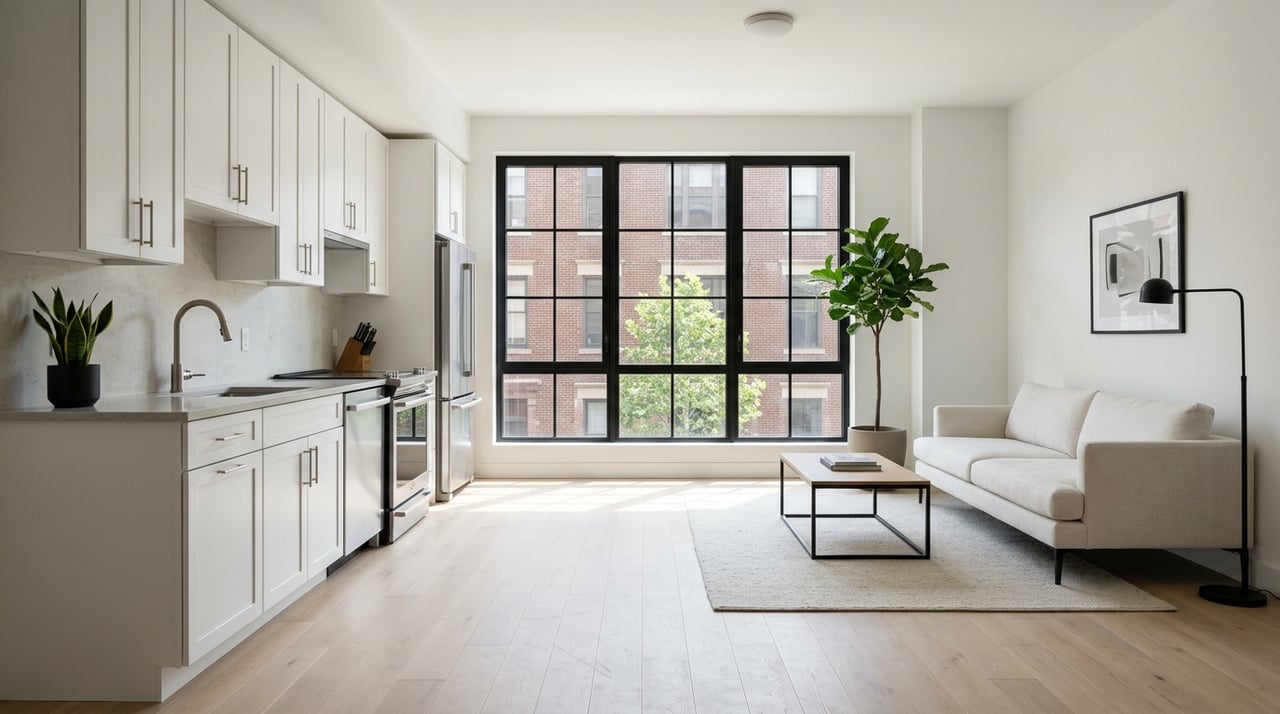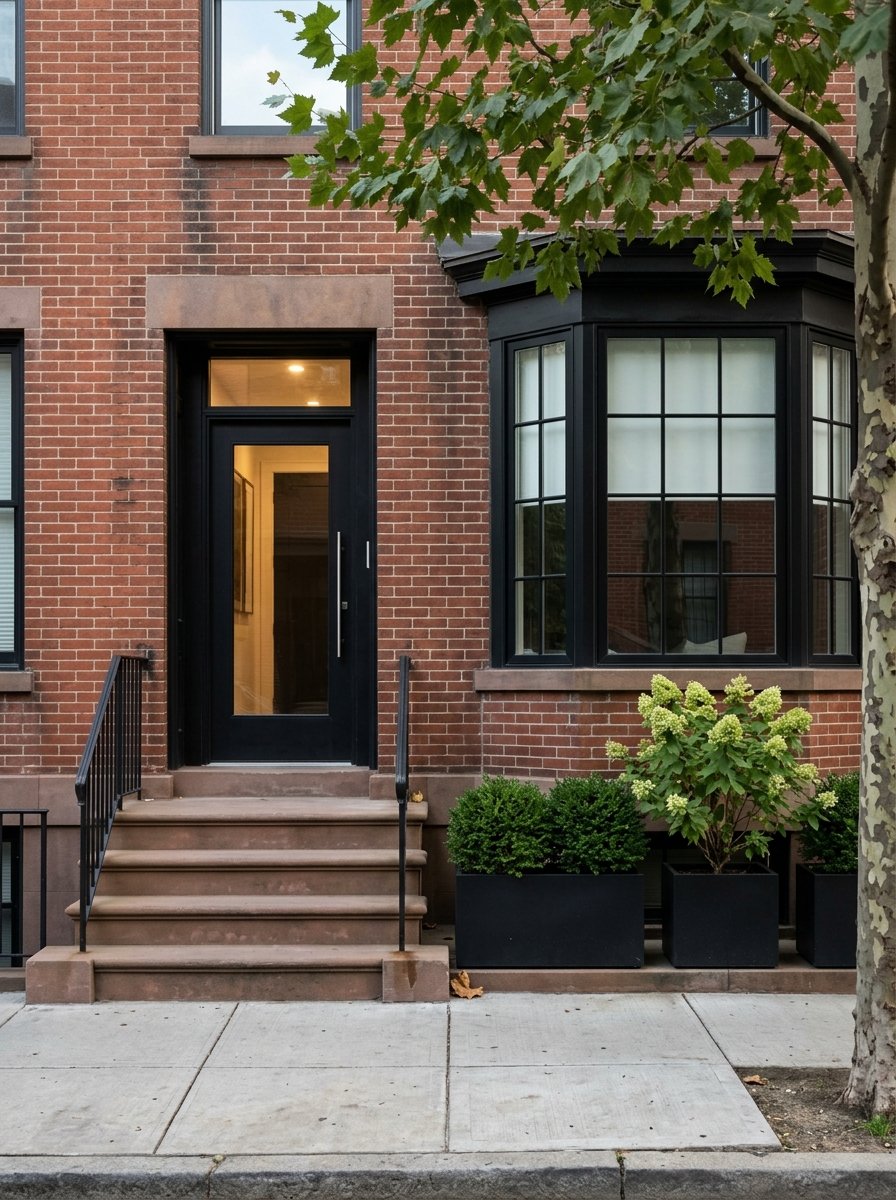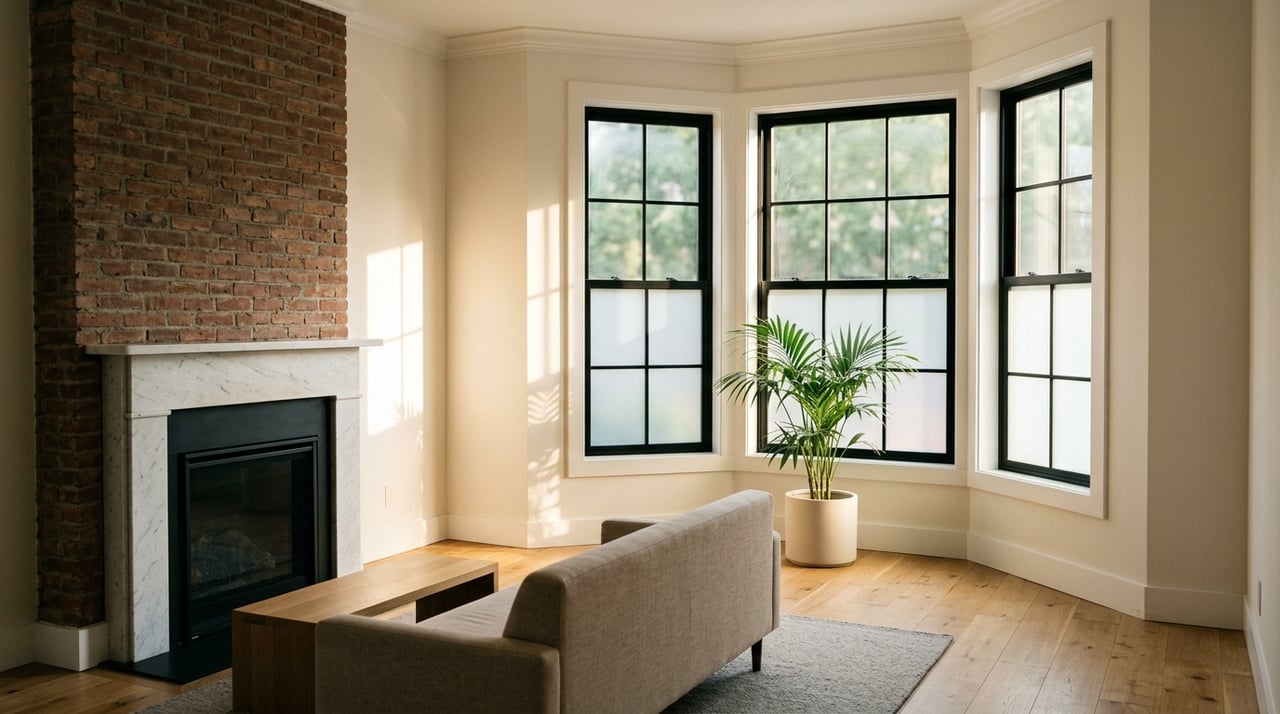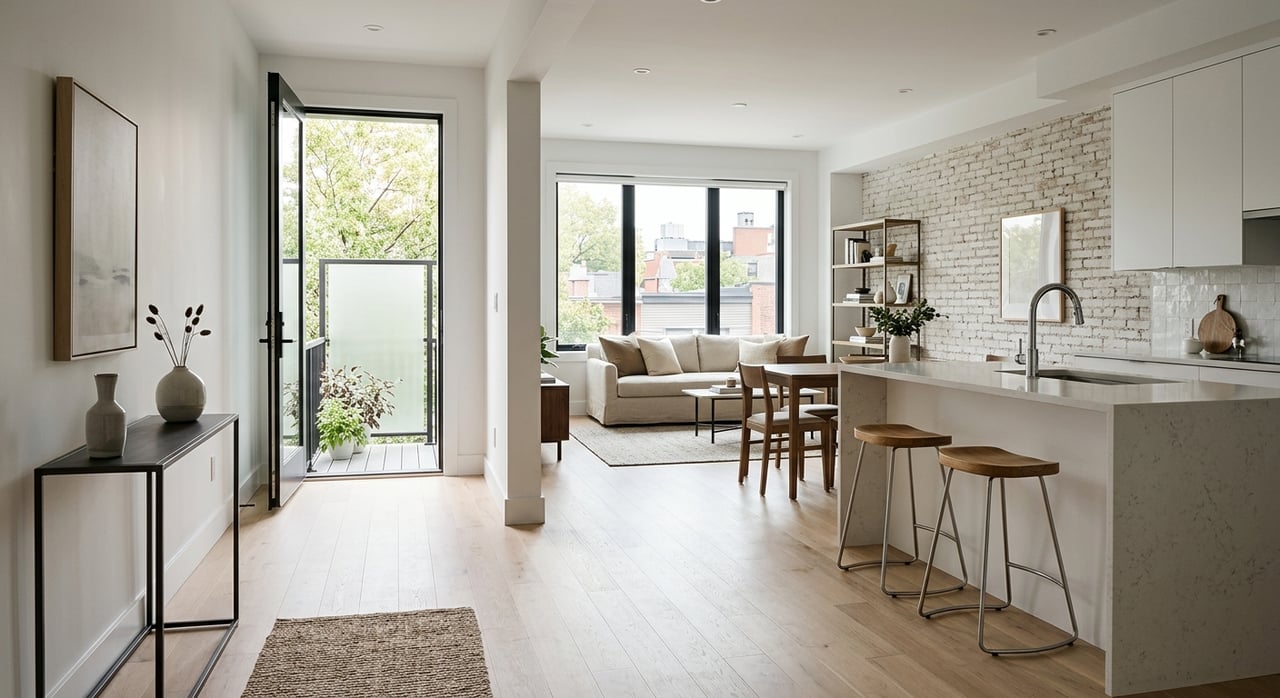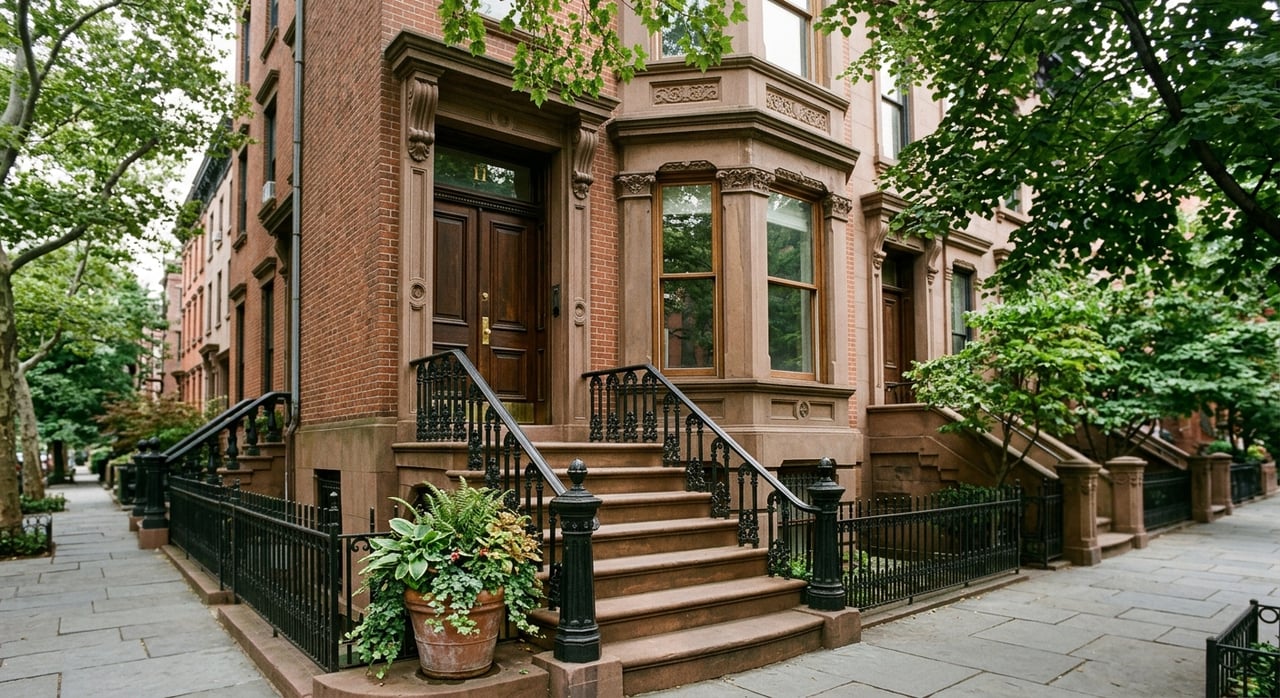
If you are deciding between a Park Slope brownstone and a condo, you are really choosing between two very different ways of living. One offers classic Brooklyn character, privacy, and a sense of ownership over the whole home. The other can offer easier day-to-day living, shared amenities, and a more predictable routine. In a neighborhood as established and sought-after as Park Slope, that choice deserves a close look. Let’s dive in.
Why this choice matters in Park Slope
Park Slope is one of those rare Brooklyn neighborhoods where both options feel compelling for very different reasons. The area is known for its tree-lined residential streets, strong historic character, and easy access to Prospect Park, which spans 585 acres and draws more than 10 million visits each year.
The neighborhood’s built environment also shapes the decision. The Landmarks Preservation Commission says Park Slope now has 2,853 protected buildings across the original historic district and its extension, with many single-family row houses and flats buildings dating from the mid-19th century to the early 20th century. That means your housing choice is often about lifestyle and upkeep, not whether the neighborhood itself works.
Transit and daily convenience also play a role. The local community profile for ZIP code 11215 lists F, G, and R subway service along with Citi Bike, so many buyers can enjoy neighborhood character without giving up city access.
Brownstone appeal in Park Slope
For many buyers, the brownstone dream starts with space and privacy. In Park Slope, row houses were often built as single-family homes, and that history still shows in the way these homes live today. You may get multiple floors, more separation between living areas, and a stronger sense that the home is fully your own.
Character is another big draw. Original architectural details, stoops, gardens, and older facades give brownstones a visual identity that many buyers simply cannot replicate in a newer building. If you value a home with texture and history, a townhouse often delivers that in a way a condo cannot.
Outdoor space can also be a major advantage. Current examples in Park Slope include houses marketed with private gardens, roof rights, and no common charges. That combination can feel especially appealing if you want more control over how you use your space.
What ownership feels like
Owning a brownstone or townhouse usually means more autonomy. You are not sharing hallways, elevators, or package rooms with other owners, and there are no monthly common charges in the examples cited in the research.
That independence can be a real plus if you want fewer shared decisions. You may also have more freedom over interior layout and how the home functions for your routine, though landmarked exteriors remain subject to city review.
What to watch for
The tradeoff is responsibility. The New York State Attorney General advises buyers in existing buildings to pay close attention to facades, roofs, plumbing, electrical systems, boilers, and other building-wide repair needs.
In a single-family brownstone, those issues are yours to manage directly. That can mean more maintenance planning, more capital needs over time, and more hands-on oversight than you would have in a condo building.
If the property is landmarked, exterior work may involve another layer. The Landmarks Preservation Commission must approve most exterior alterations, reconstruction, demolition, or new construction that affects the building, while ordinary interior work generally does not require review unless it affects the exterior.
Condo convenience in Park Slope
A condo offers a different kind of value. According to the New York State Attorney General, condo ownership means you own your unit and also hold an undivided interest in the building’s common elements.
In Park Slope, that can range from a boutique conversion to a newer building with more services. Depending on the property, you may find features like an elevator, doorman, package room, parking, storage, courtyard, or roof deck. For buyers who want ease and efficiency, those features can make a big difference.
This setup often fits a more lock-and-leave lifestyle. If you travel often, want less day-to-day building oversight, or prefer shared maintenance over managing a full property yourself, a condo can feel much simpler.
What convenience really means
Convenience does not mean fewer details to review during the buying process. In fact, condos often come with more building-level documentation.
The Attorney General says condo and co-op sales are governed by an offering plan, and buyers should read the full plan instead of relying only on marketing materials or renderings. Buyers should also review financial reports and board minutes, since future building costs can be affected by major items like facade work, roofs, elevators, plumbing, and boilers.
Building rules and shared costs
With condo living, some responsibilities shift from the individual owner to the building. That can reduce the burden of direct maintenance, but it also means shared governance, shared systems, and monthly common charges.
For some buyers, that trade is worth it. For others, recurring costs and building rules can feel limiting, especially if you are comparing them to the autonomy of a townhouse.
Price differences are significant
In Park Slope, the cost gap between houses and condos is meaningful. A March 2026 market snapshot from PropertyShark put the neighborhood’s median sale price at $1.4 million, with condos at $1.6 million and houses at $2.4 million.
Current listing examples support that spread. Condo inventory in the research runs from about $995,000 to $1.75 million, while house listings cited range from $2,875,000 to $4,195,000. If your search starts with budget, this may quickly narrow your options.
That said, purchase price is only part of the story. Monthly ownership costs can reshape the comparison.
Carrying costs can change the math
A house may cost more upfront but less each month in some cases. One Park Slope house example at 467 11th Street shows no common charges and $399 per month in taxes.
By comparison, a condo example at 145 Park Place shows $989 per month in common charges and $916 per month in taxes. That is roughly $1,400 more per month before mortgage, insurance, and utilities.
This is one reason some buyers still prefer a house despite the higher purchase price. If you are planning for long-term ownership, monthly carrying costs deserve just as much attention as the asking price.
Lifestyle fit matters as much as price
The best choice often comes down to how you want to live. A brownstone usually suits buyers who care most about privacy, original detail, private outdoor space, and owning an entire home.
A condo usually suits buyers who prioritize amenities, easier daily logistics, and less direct maintenance. If features like an elevator, package handling, parking, or shared outdoor areas matter to your routine, condo living may feel more aligned.
Neither option is objectively better. In Park Slope, both can be excellent choices, but they serve different needs and different tolerance levels for upkeep, shared governance, and monthly costs.
A practical way to decide
If you are torn, it helps to ask yourself a few direct questions:
- Do you want to own a full home or just the unit you live in?
- Are you comfortable managing maintenance and repair decisions yourself?
- Would you use amenities like a doorman, elevator, or package room regularly?
- Does private outdoor space matter more than building services?
- Are you more sensitive to purchase price or monthly carrying costs?
- Do you want a home with historic detail, even if that can mean more upkeep?
Your answers usually point clearly in one direction. In Park Slope, brownstone charm is often about character, autonomy, and space. Condo convenience is usually about amenities, predictability, and lower day-to-day oversight.
If you want help comparing the real monthly cost, building tradeoffs, and long-term fit of each option, Raquel Lomonico can help you evaluate Park Slope homes with a practical, data-informed approach.
FAQs
Is a brownstone in Park Slope usually more expensive than a condo?
- Based on the research report, yes. A March 2026 snapshot showed Park Slope houses with a median sale price of $2.4 million versus $1.6 million for condos.
Do Park Slope brownstones have monthly common charges?
- Usually not in the house examples cited in the research, but owners are responsible for maintenance, repairs, taxes, insurance, and utilities.
What should you review before buying a Park Slope condo?
- You should review the offering plan, financial reports, and board minutes, since future costs may be affected by building-wide repairs and shared systems.
Can you freely renovate a landmarked Park Slope brownstone exterior?
- No. The Landmarks Preservation Commission must approve most exterior alterations, reconstruction, demolition, or new construction affecting a landmarked property.
Are short-term rentals allowed in Park Slope condos or brownstones?
- City rules limit this. According to NYC, an entire home or apartment cannot be rented to visitors for fewer than 30 days, and hosts must be present for short stays.
Which Park Slope home type is better for a lock-and-leave lifestyle?
- A condo is often a better fit if you want easier day-to-day management, shared amenities, and less direct responsibility for building upkeep.