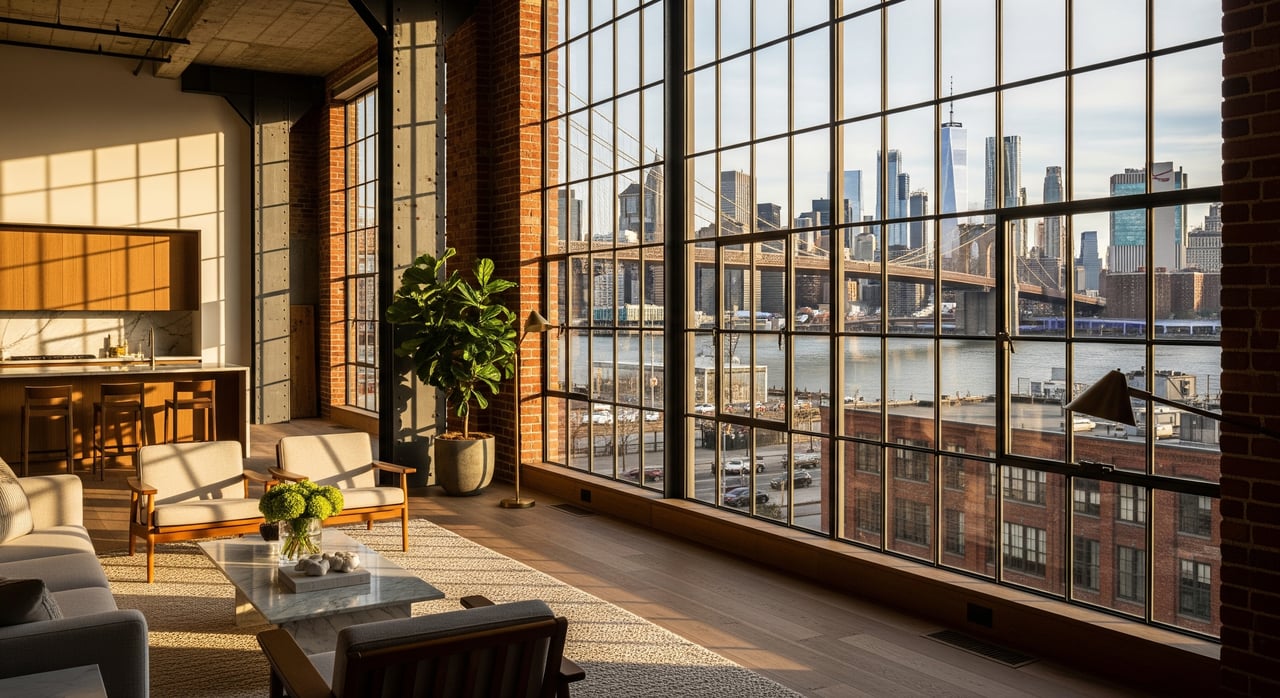
Thinking about life by the East River with skyline views, cobblestones underfoot, and parks outside your door? DUMBO offers all that in a compact slice of northwest Brooklyn. If you want a walkable neighborhood with easy Manhattan access and striking architecture, it’s a strong contender. In this guide, you’ll learn what day-to-day life feels like, what homes look like, how commuting works, and what to check before you buy or rent. Let’s dive in.
Life in DUMBO today
DUMBO stands for “Down Under the Manhattan Bridge Overpass,” and you feel that energy everywhere. Former warehouses now house lofts, offices, and boutiques, and new luxury residences rise along the water. The vibe blends creative and tech workplaces with an everyday rhythm centered on the waterfront. You’ll share the streets with visitors who come for the views, but the neighborhood still runs on local routines.
Neighborhood pace and feel
You walk most places. Streets like Water, Front, and Main have cobblestones, historic facades, and big factory-style windows. The heart of daily life is the waterfront, where you see runners, strollers, and cyclists from morning through sunset. Evenings are lively at restaurants and in the park, but this is not a late-night club scene.
Community and public realm
An active local business group helps keep things clean and programmed. You’ll find seasonal events in nearby park spaces and steady foot traffic on pleasant days. The area generally feels safe, with the usual city awareness in busy spots.
Parks, waterfront, and recreation
Brooklyn Bridge Park, right along the edge of DUMBO, is a defining amenity. It stretches across multiple piers and lawns, creating a front yard for the neighborhood.
What you’ll use most
- Multi-use lawns and promenades for picnics and walks.
- Playgrounds, dog runs, and sports courts for easy outdoor time.
- Jane’s Carousel near Fulton Ferry for classic riverfront views.
- Seasonal programs that make the waterfront active from spring through fall.
If you run or ride, you can connect to bridge paths and nearby greenways. Sunset strolls are a local ritual on nice days.
Dining, shops, and daily convenience
You get a focused mix of cafés, bakeries, and boutique restaurants, along with specialty food and beverage shops. Because DUMBO is small, large supermarkets are limited within the neighborhood itself. Many residents do full grocery runs in adjacent Brooklyn Heights or Downtown Brooklyn. You’ll also find boutique fitness studios and independent childcare options nearby. Clinics and hospitals are a short ride away.
Housing styles and what to expect
You’ll see two main types of homes: converted warehouse lofts and newer luxury condos. A few townhome conversions exist on the edges, but most buildings are condos or rentals.
Converted lofts
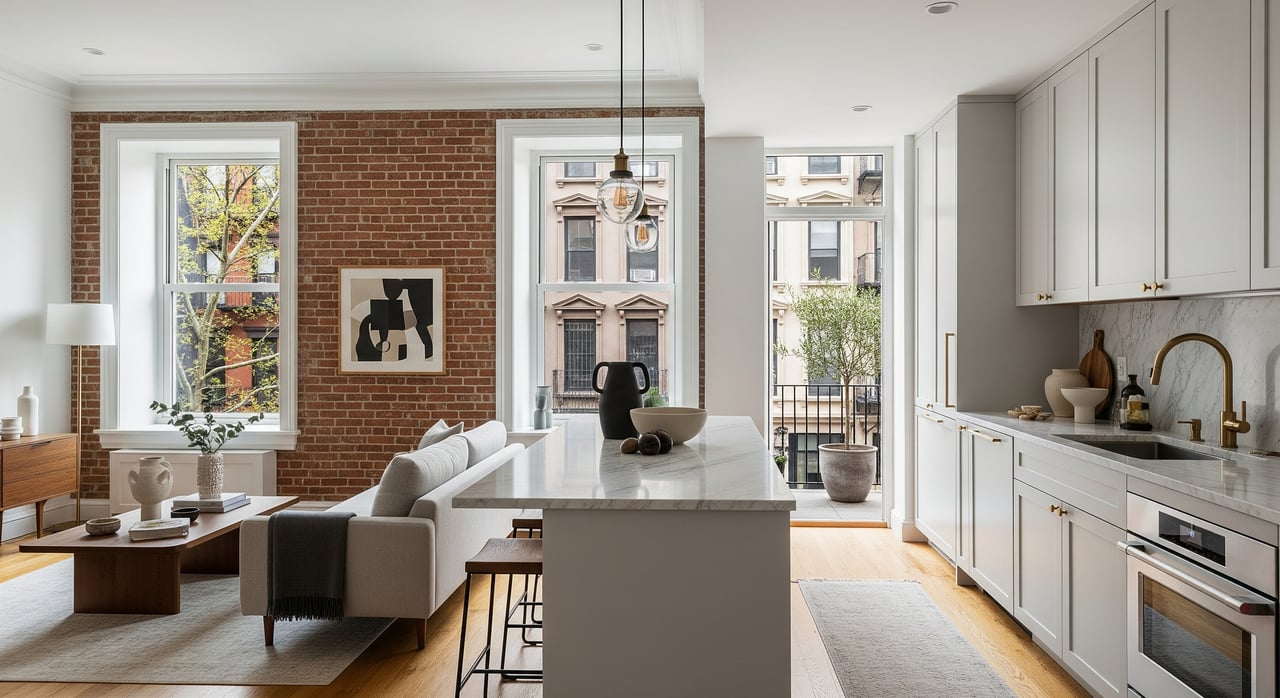
Expect exposed brick, tall ceilings, oversized industrial windows, and open layouts. These spaces feel dramatic and bright. Some conversions kept original features that look great but may need attention for sound or temperature control. Storage can be minimal, so check closets and any included storage cages.
Newer luxury condos
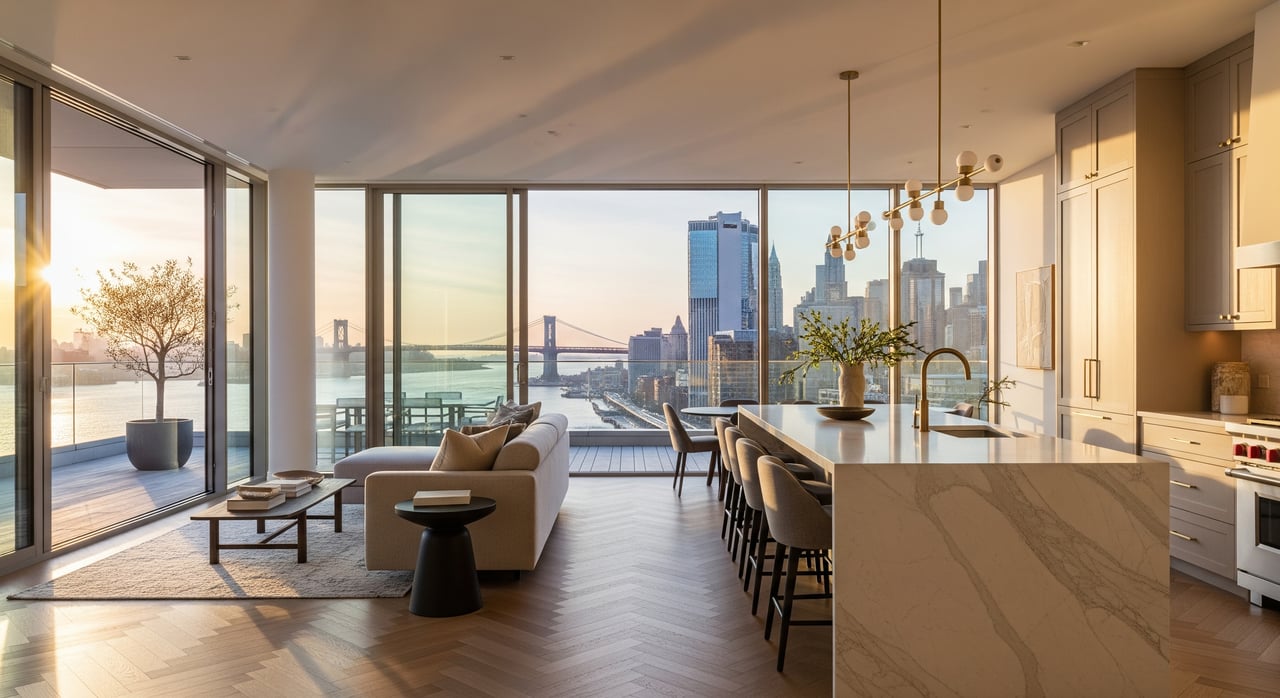
Contemporary buildings often add doormen, gyms, resident lounges, outdoor terraces, and private storage. Monthly common charges tend to be higher in amenity-rich properties. Larger multi-bedroom layouts exist but are less common, and they command a premium, especially if they include views or outdoor space.
Costs and value
DUMBO ranks among the more expensive parts of Brooklyn for both rentals and sales. You typically pay a premium for waterfront access, Manhattan views, and design-forward buildings. If you’re buying, review HOA or common charges closely to see what’s included, and evaluate building reserves and rules. If you’re renting, compare finishes, window quality, and amenity access across options in your budget.
Transit and commuting
DUMBO is built for quick commutes into Manhattan and easy access across Brooklyn.
Subway and rail
- The F train at York Street is the closest in-neighborhood station.
- Nearby stations such as High Street on the A/C, Jay Street–MetroTech, and Borough Hall expand your routing options with a short walk.
- Trips to Lower or Midtown Manhattan are typically short, depending on transfers and your final stop.
Ferry, biking, and walking
- The NYC Ferry stops at Fulton Ferry, offering a scenic ride to Manhattan and along the East River.
- The Manhattan Bridge has a pedestrian and bike path to Chinatown and Lower Manhattan, and you can connect to the Brooklyn Bridge’s path nearby.
- Citi Bike docks and bike lanes make cycling practical for errands and short commutes.
Driving and parking
Driving is possible, but parking is limited and often expensive. Many buildings do not include parking, which nudges a transit-first lifestyle. Rideshare and taxis are easy to find if you need a car occasionally.
Noise, crowds, and everyday reality
DUMBO’s beauty draws visitors, which shapes daily life. Expect heavier foot traffic around the waterfront, especially on weekends and during golden-hour photo peaks. Bridge and vehicle noise can be a factor near the Manhattan and Brooklyn Bridges. Some cobblestone blocks transmit vibrations, which you may notice in certain buildings. If you prefer quieter evenings, focus your search on blocks away from the busiest corridors.
Practical checks before you commit
Smart due diligence can make your DUMBO experience smoother. Use this checklist as you tour.
Building and unit features
- Flood readiness. Ask about building elevation, flood history, and whether mechanicals are elevated. Confirm if flood insurance is required.
- Windows and sound. Test for traffic noise and note window type. Single-pane industrial windows look great but may need upgrades.
- Heating and cooling. Large windows change how a home feels through the seasons. Ask about insulation and HVAC performance.
- Storage and layout. Lofts sometimes trade closets for open space. Verify storage solutions or budget for off-site storage.
- Amenities and fees. Review HOA or common charges and what they cover, including reserves.
- Board rules and financials. For condos and co-ops, review building documents, policies, and financial statements.
Location and lifestyle fit
- Proximity to transit. Try your commute at the time you’ll travel most.
- Noise and crowds. Visit on a weekend evening to gauge tourist traffic.
- Grocery and services. Map your go-to supermarket, childcare, and fitness routine.
- Parking. Confirm garage options and costs if a car is essential.
Families and schooling
Families choose DUMBO for the waterfront parks, playgrounds, and easy access to cultural and health services nearby. Larger three- and four-bedroom homes are less common and typically carry higher prices. Public school zoning overlaps with nearby neighborhoods, and availability can change. If schools are a priority, consult official NYC Department of Education resources and compare options in adjacent areas like Brooklyn Heights or Carroll Gardens.
Who DUMBO fits best
You’ll enjoy DUMBO if you want quick access to Manhattan, love being outdoors by the water, and value striking architecture and design. It is a strong fit if you prioritize a walkable routine with cafés and boutiques close by. If you need abundant space, on-site parking, and quiet streets every weekend, you may want to compare options in nearby neighborhoods while keeping DUMBO on your shortlist for its unique setting and convenience.
Buying or renting with confidence
Approach DUMBO with a clear plan. Tour at different times of day, compare window quality and building systems, and weigh lifestyle perks like ferry access and park proximity against costs such as HOA fees. If you’re buying, focus on long-term livability and resale: layout efficiency, storage, natural light, and building health. If you’re renting, align lease terms with your plans and pay attention to in-unit noise and thermal comfort.
Ready to explore listings, compare buildings, or get a second opinion on value? Reach out to the local team that blends neighborhood expertise with data-driven guidance. Connect with Raquel Lomonico to plan your next move.
FAQs
Is DUMBO a safe neighborhood for everyday life?
- DUMBO is generally perceived as safe with active public spaces and steady foot traffic; use standard city precautions, especially in busy tourist areas.
How crowded does DUMBO get on weekends?
- Expect heavier crowds along the waterfront and cobblestone photo spots on weekends and at sunset, which can add noise and activity on nearby blocks.
What are the main commuting options from DUMBO?
- The F train at York Street, nearby A/C and other stations, the NYC Ferry at Fulton Ferry, and bike and pedestrian paths across the bridges offer fast, flexible routes.
Are there supermarkets in DUMBO?
- Large full-service supermarkets are limited within DUMBO; many residents shop in nearby Downtown Brooklyn or Brooklyn Heights for bigger grocery runs.
What should I check in a DUMBO loft or condo?
- Review flood protections, window and sound performance, heating and cooling, storage solutions, HOA fees and reserves, and any condo or co-op rules.
Is DUMBO a good choice for families with kids?
- Families value the parks and playgrounds; larger units are less common and pricier, and you should verify public school zoning and options through official resources.